
Sub-Total: $0.00
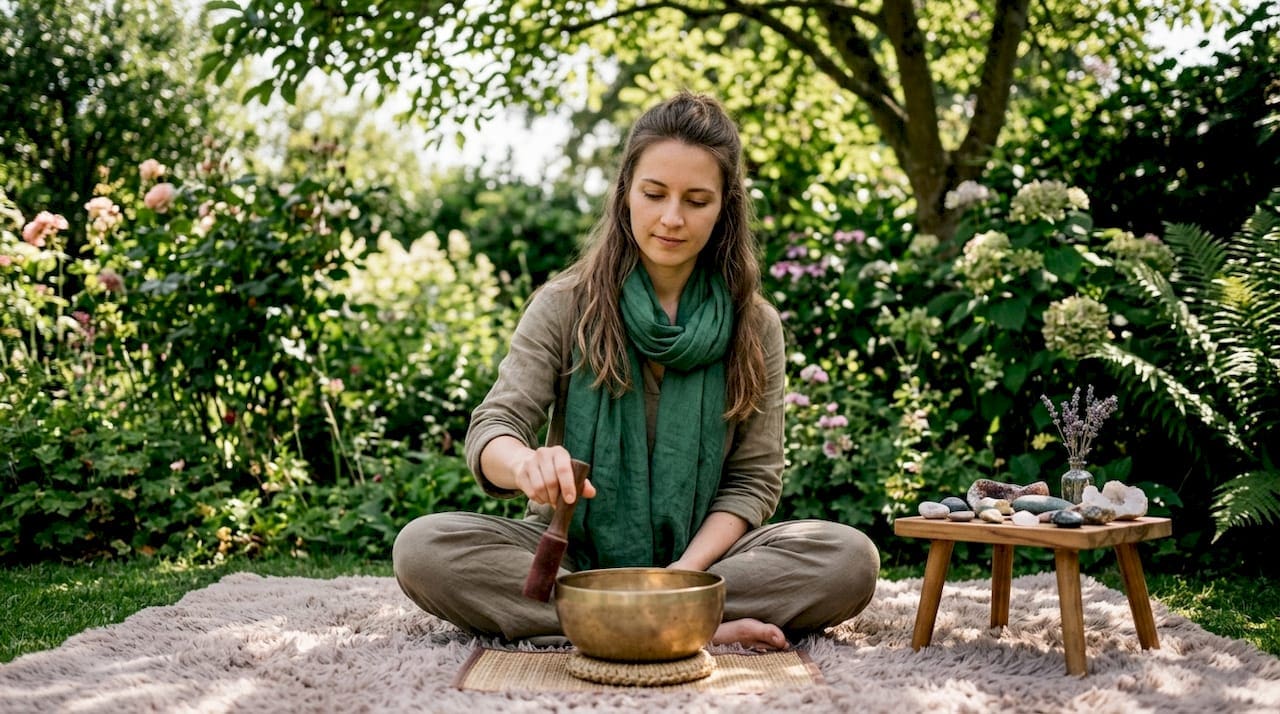
Practicing sound healing without a music background
Practicing sound healing without a music background
Sound healing is defined as a wellness practice that uses auditory vibrations and resonance to promote relaxation, reduce stress, and support the nervous system. You do not need to read music, hold a pitch, or play an instrument to benefit from it. Practicing sound healing without a music background is entirely achievable through vocal techniques like humming, simple tools like singing bowls and chimes, and intentional listening. Research supports the calming effects of even brief sound exposure, and beginner guides from sources including Positivity.org and Cedars-Sinai confirm that the focus is on felt sensation, not musical performance.
What simple sound healing techniques can beginners use without musical training?
The most accessible sound healing techniques require nothing more than your voice and a quiet room. Healing with sound begins with humming at whatever pitch feels natural, with no concern for musical notes or accuracy. The goal is to feel the vibration in your chest, throat, and head, not to produce a pleasing sound for anyone else.
A structured beginner session typically follows three phases. First, you hum openly for several minutes. Then you transition to a quieter “mmm” sound with your lips closed. Finally, you sit in complete silence and simply listen. This 20–30 minute sound meditation structure is well established in beginner guides and requires zero musical knowledge.
Beyond your voice, a small number of physical tools can deepen the experience considerably.
- Singing bowls. Strike or rim a Tibetan or crystal singing bowl gently and let the tone decay fully before striking again. The sound does the work. You do not need to sustain it.
- Chimes and bells. A single chime struck softly fills a room with a long, fading tone. This is one of the most forgiving instruments for beginners because timing and force matter far less than with a conventional instrument.
- Household objects. A glass bowl tapped with a wooden spoon, a metal tin lightly struck, or even a taut rubber band can produce usable resonant tones. The home sound bath guide from Dragon Lighthouse confirms that DIY objects work perfectly well when used with intention and gentleness.
- Nature recordings. Layering ambient recordings of rain, running water, or birdsong beneath your practice adds texture without requiring any skill. Apps like Insight Timer offer free nature soundscapes for this purpose.
Pro Tip: Focus entirely on where you feel the vibration in your body, not on how the sound compares to a musical note. Shifting attention inward removes the performance anxiety that stops most beginners.
Reframing sound healing as bodily resonance rather than singing is the single most effective mindset shift for non-musicians. Once you stop evaluating the sound and start feeling it, the practice becomes genuinely accessible.
How to create an effective home sound healing space without musical instruments?
Your environment shapes the quality of your practice more than your instrument selection does. A cluttered, noisy room undermines even the best technique. A calm, ordered space amplifies even the simplest sound.
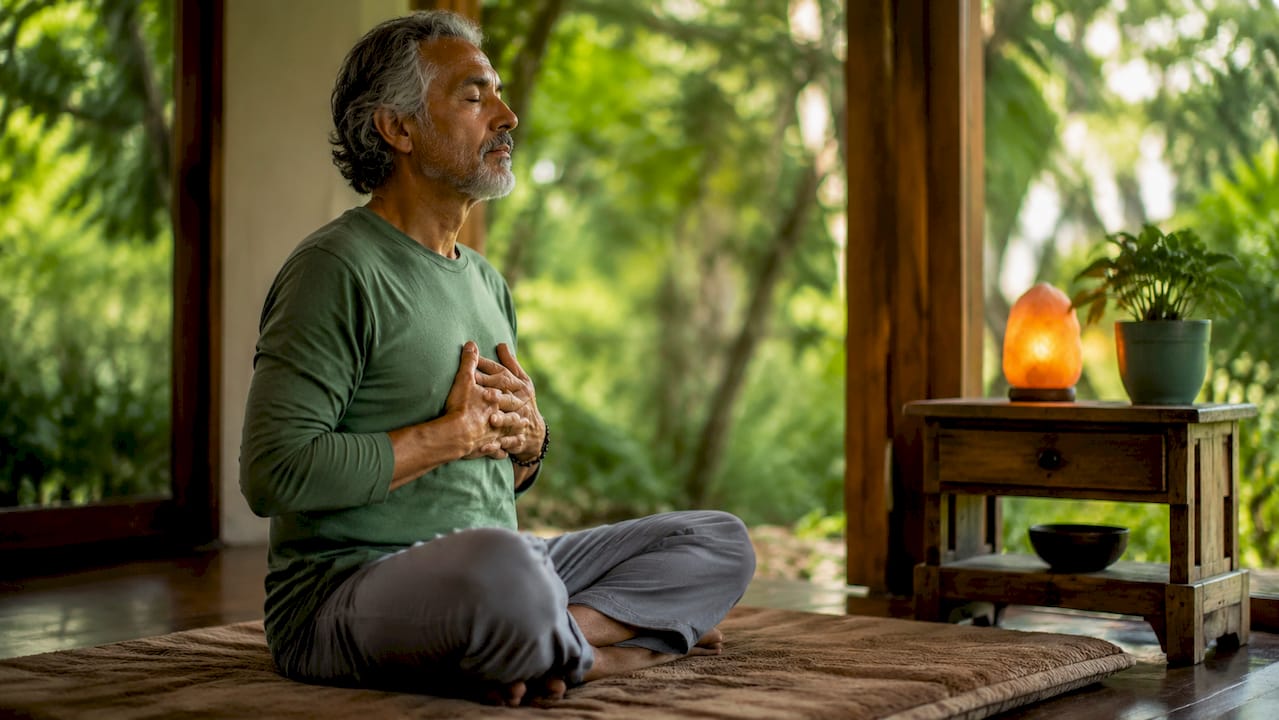
Setting up a sound healing space at home does not require a dedicated room or expensive equipment. The following elements are the foundation:
- A quiet corner or room. Close windows to reduce traffic noise. Turn off notifications on your phone. Even five minutes of genuine quiet is more valuable than thirty minutes of distracted practice.
- Soft lighting. Overhead fluorescent lights create a clinical atmosphere. A lamp, candles, or natural daylight from a north-facing window all work better for a relaxed state.
- Comfortable seating or a mat. You can sit cross-legged, lie flat, or use a chair. Physical comfort removes a significant distraction.
- One or two instruments at most. The advice from sound bath experts is consistent: minimalism works. One singing bowl and your voice is a complete practice. Adding more instruments does not improve outcomes for beginners and often creates confusion about what to do next.
- Optional scent. A small amount of lavender or sandalwood incense or an oil diffuser can anchor the sensory environment and signal to your nervous system that this is rest time.
You can also explore how sound healing studio spaces are set up professionally to get ideas you can adapt at home on a smaller scale.
Pro Tip: Let the natural decay of each sound be part of the experience. The silence after a singing bowl tone is not empty. It is an active part of the practice. Resist the urge to fill every moment with sound.
Personalising your space matters too. A photograph, a plant, or a meaningful object placed nearby can help you settle more quickly. The aim is a space that feels safe and separate from daily demands.
What does research say about sound healing benefits for non-musicians?
The scientific evidence for sound healing is real but specific. It is strongest for short-term nervous system calming and weakest for broader emotional or clinical claims.
A study published in Music and Medicine found that one minute of singing bowl sound significantly reduced subjective arousal compared with binaural beats, pink noise, and silence in a group of 92 participants. That is a meaningful result. It means even a very brief, passive listening experience can shift your physiological state downward toward calm.
However, the same study noted that affective changes may require longer sessions or in-person interaction. Emotional shifts are harder to produce through a screen or a short exposure. This is worth knowing so you set realistic expectations from the start.
Cedars-Sinai describes sound baths as inducing deeply relaxed states using instruments like bowls and chimes, while noting that claims about healing frequencies lack strong scientific support. This is an honest and useful framing. Sound therapy is a genuine wellness aid for relaxation. It is not a substitute for medical treatment.
| Research finding | What it means for beginners |
|---|---|
| One minute of singing bowl sound reduces arousal | Even very short sessions have a measurable calming effect |
| Emotional shifts need longer or in-person sessions | Build up session length gradually over weeks |
| Cedars-Sinai supports relaxation claims, not frequency healing | Focus on rest and calm, not on specific healing frequencies |
| Humming and listening require no musical skill | Your voice is a fully valid therapeutic tool from day one |
“Sound therapy is widely valued for relaxation and intentional rest, but clinical evidence varies by practice.” — Cedars-Sinai
The practical implication is clear. Start with short sessions, focus on the felt experience of calm, and build duration over time. Musical skill plays no role in any of these outcomes.
Step-by-step guide to starting your own sound healing practice without music skills
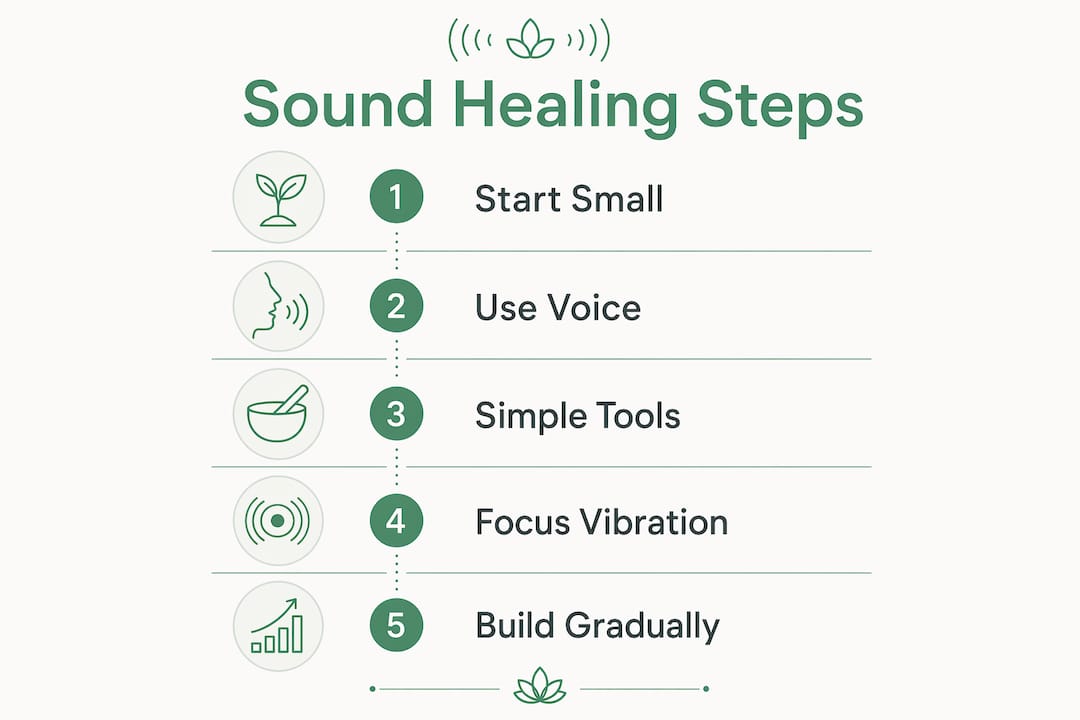
Starting a sound therapy practice for beginners requires three things: a quiet space, a small amount of time, and a willingness to feel rather than perform. Nothing else is strictly necessary.
Follow this sequence for your first session:
- Prepare your space. Remove clutter from your chosen area. Dim the lights. Sit or lie in a comfortable position. Set a timer for 10 minutes so you are not checking the clock.
- Set an intention. Before you begin, take three slow breaths and decide what you want from the session. Rest, calm, and mental quiet are all valid intentions. This step takes 30 seconds and significantly improves focus.
- Begin with open humming. Hum at whatever pitch arises naturally. Do not adjust it. Do not try to match a note you have heard elsewhere. Hum for two to three minutes and pay attention to where you feel the vibration in your body.
- Transition to a closed “mmm” sound. Lower the volume slightly and close your lips. This shifts the vibration forward into your face and head. Continue for another two minutes.
- Move into silent listening. Stop making sound entirely. Sit with the silence for two to three minutes. Notice what you hear in the room and what you feel in your body.
- Introduce an instrument if you have one. Strike a singing bowl or chime once. Let the tone decay completely before striking again. Repeat three to five times. There is no correct rhythm. Slow is always better than fast.
- Close the session. Take three more slow breaths. Wiggle your fingers and toes. Sit upright for a moment before standing.
Common mistakes to avoid include focusing on pitch accuracy, using too many instruments at once, and ending the session the moment silence arrives. Silence is not a mistake. It is the point.
Pro Tip: Begin with 5–10 minute sessions and add five minutes each week. Gradual increases let your nervous system adapt and make the practice sustainable rather than overwhelming.
If you have any existing health conditions, particularly relating to hearing, epilepsy, or mental health, consult your GP before starting a regular sound healing practice. This is standard guidance for any new wellness activity.
You can also explore a practical guide to sound meditation for additional structure as you build your routine.
Key takeaways
Practicing sound healing without a music background is fully achievable using your voice, one or two simple instruments, and short, consistent sessions focused on felt vibration rather than musical performance.
| Point | Details |
|---|---|
| No musical skill required | Humming at natural pitch and passive listening are the core techniques for beginners. |
| Minimalism works best | One singing bowl or chime plus your voice is a complete and effective practice. |
| Short sessions have real effects | One minute of singing bowl sound measurably reduces arousal, per published research. |
| Environment shapes outcomes | A quiet, clutter-free space with soft lighting improves practice quality significantly. |
| Build gradually | Start with 5–10 minute sessions and increase over weeks for sustainable results. |
What I have learned from teaching sound healing to complete non-musicians
The most common worry I hear from people starting out is that they will do it wrong. They are convinced that without a musical ear or formal training, they will produce something that sounds bad and therefore does not work. That worry is understandable, but it is based on a misunderstanding of what sound healing actually is.
Sound healing is not a performance. Nobody is listening and judging. The only audience is your own nervous system, and your nervous system does not care whether you are humming in C major or somewhere between two notes entirely. What it responds to is the vibration itself and the intention behind it.
What I have found, both personally and through working with students at Soundbathtraining, is that non-musicians often make better beginners than trained musicians. Musicians tend to evaluate the sound constantly. They hear a singing bowl and immediately start thinking about the note, the overtones, the tuning. Non-musicians simply listen. That quality of open, non-analytical listening is exactly what the practice asks for.
The evidence supports this too. Nervous system calming depends more on exposure time and context than on musical complexity. A simple, consistent practice beats an elaborate, infrequent one every time.
My honest advice is to start smaller than you think you need to. Five minutes of genuine humming and listening, done three times a week, will produce more noticeable results than a single 45-minute session you never repeat. Sound healing rewards consistency, not ambition.
— Sarah
Ready to take your practice further with Soundbathtraining?
If you have tried the techniques in this article and want to develop real confidence and depth in your practice, structured training makes a significant difference.
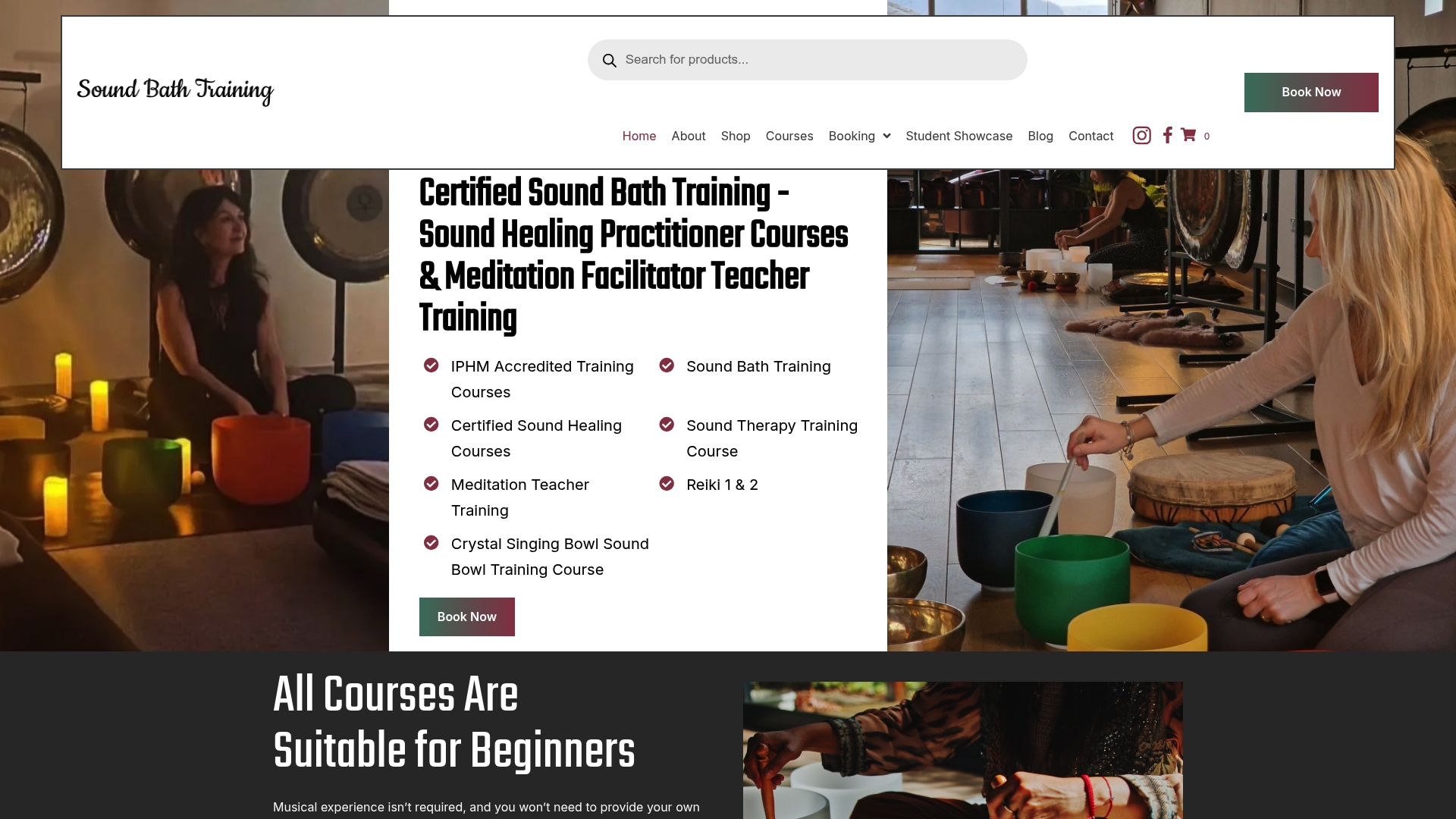
Soundbathtraining offers IPHM accredited sound healing practitioner courses designed specifically for people without a musical background. Sessions are small, with a maximum of three participants, so you get hands-on time with a full set of crystal singing bowls from the very first day. There is no waiting for your turn and no prior experience required. Whether you want to deepen your personal practice or work toward a professional qualification, you can explore the full sound healing course catalogue to find the right starting point. The accredited four-day practitioner training includes sound therapy and personal coaching in a tranquil studio environment.
FAQ
Do I need any musical ability to start sound healing?
No musical ability is required. Sound healing focuses on relaxation and listening rather than performance, and techniques like humming at natural pitch require no knowledge of notes or scales.
How long should my first sound healing session be?
Beginners should start with 5–10 minutes and increase gradually. Even one minute of singing bowl listening has been shown to reduce arousal in published research.
What instruments do I need to begin sound healing at home?
You need very little. A single singing bowl or chime, combined with your voice, is a complete beginner practice. Household objects like glass bowls or metal tins can also work when struck gently.
Is there scientific evidence that sound healing works?
Research published in Music and Medicine found that brief singing bowl exposure significantly reduced subjective arousal. Cedars-Sinai supports sound therapy as a relaxation aid, though broader clinical claims require more evidence.
Can sound healing be integrated into an existing wellness routine?
Sound healing fits naturally alongside yoga, meditation, and breathwork. A short sound session at the end of a yoga class or morning meditation adds a calming layer without requiring additional time or equipment.