
Sub-Total: $0.00
Somatic sound healing coaching techniques: top 10

Somatic sound healing coaching techniques: top 10
Somatic sound healing coaching is defined as the integration of body-based awareness with targeted sound practices to engage the nervous system and create lasting change. Unlike talk-based coaching, this approach works directly with the body’s physiology. 80% of human information flows from body to brain, which means somatic-based interventions reach parts of the nervous system that conversation alone cannot. The most effective somatic sound healing coaching techniques combine tools such as singing bowls, tuning forks, vocal toning, and personalised sound immersions with somatic therapy methods drawn from frameworks like Somatic Experiencing and Polyvagal Theory. These approaches activate the vagus nerve, shift the body from stress to rest, and support genuine behavioural change at a neurological level.
1. What are the top 10 somatic sound healing coaching techniques?
The ten techniques below represent the most impactful methods used in embodied sound practices today. Each one targets the nervous system through a different entry point, from breath and voice to external vibration and movement.
1. Vocal toning and humming
Vocal toning is the practice of sustaining a single pitch or sound, such as “Ahhh,” “Mmm,” or “Voo,” to create internal vibration. Vocalising sounds like humming directly stimulates the vagus nerve, which runs through the throat and chest. That stimulation activates the parasympathetic nervous system, shifting the body out of fight-or-flight. The “Voo” sound, developed within Somatic Experiencing by Peter Levine, is particularly effective because its low frequency resonates through the chest cavity. Clients report a felt sense of settling within seconds of sustained vocalisation.
Pro Tip: Start clients with humming before introducing the “Voo” sound. Humming feels less exposed and builds confidence with self-generated sound.
2. Singing bowl placement and immersion
Crystal and Tibetan singing bowls produce sustained tones that travel through the body when placed near or on the client. The vibration bypasses cognitive processing and speaks directly to tissue, fascia, and the nervous system. A coach-led sound bath uses bowl placement strategically, working from the feet upward to ground the client before introducing higher-frequency tones near the head. Crystal bowls tuned to specific frequencies are commonly used to correspond with different areas of the body. This technique suits both group and individual sessions and requires no active participation from the client.
3. Tuning fork application
Tuning forks deliver precise, consistent frequencies to specific points on the body or in the surrounding sound field. Practitioners strike a fork and hold it near acupressure points, joints, or areas of held tension. The vibration interrupts habitual tension patterns and encourages the nervous system to reset. Weighted tuning forks applied directly to the body create a deeper somatic response than unweighted forks used in the air. This technique works well for clients who find full sound immersion too intense at first.

4. The “Voo” sound and vagal toning
The “Voo” sound is a specific somatic coaching tool developed to stimulate the vagus nerve through low-frequency vibration. Vagal activation via the “Voo” sound can reduce cortisol levels by up to 23%, alleviating anxiety and depression symptoms. That reduction is clinically meaningful. Clients sustain the sound on a single exhale, feeling the vibration in the chest and belly. Coaches guide clients to notice the physical sensation after the sound ends, which deepens body awareness and anchors the regulation response.
5. Sound bath immersion
A sound bath is a passive listening experience in which the client lies still while the practitioner plays multiple instruments simultaneously. The layered frequencies create a field of sound that surrounds the client and encourages a deeply receptive nervous system state. Personalised sound immersions using binaural beats and 360° audio can create altered states of consciousness and deep nervous system coherence. Sound baths are particularly effective for clients carrying chronic stress or sleep disruption. They require no prior experience and suit a wide range of client sensitivities.
Pro Tip: Keep the room temperature slightly warmer than usual during a sound bath. A cool body activates mild threat responses that compete with the settling effect of the sound.
6. Breath and movement integration
Breath and movement integration combines conscious breathing patterns with slow, intentional physical movement while sound plays in the background. The breath acts as a direct regulator of the autonomic nervous system. Pairing breath with movement and sound creates a triple input that the nervous system processes simultaneously. Practitioners often use a slow drum beat or sustained bowl tone as an anchor for the movement rhythm. This technique is especially useful for clients who struggle to stay still during passive sound work.
7. The 80/20 titration method
Titration is a trauma-informed approach borrowed from Somatic Experiencing. The 80/20 titration method directs 80% of the client’s attention toward a safe resource anchor and 20% toward a difficult sensation. That ratio prevents the nervous system from flooding and avoids re-traumatisation. In sound coaching, the practitioner uses a grounding tone as the resource anchor while gently introducing a frequency associated with the area of difficulty. The client moves between the two sounds in small, manageable doses.
8. Grounding through sound
Grounding techniques use low-frequency sounds to orient the client to the present moment and their physical environment. Bass tones from large singing bowls, frame drums, or low-frequency tuning forks create a felt sense of weight and stability. Active grounding phases precede sound immersion in somatic sound coaching to ensure clients have stability before inward focus. Grounding is not optional. It is the foundation that makes deeper work safe and effective.
9. Pendulation support
Pendulation is the rhythmic movement between a state of activation and a state of settling. In somatic sound coaching, the practitioner uses contrasting sounds to guide this oscillation. A sharp, bright tone might briefly activate the nervous system, followed immediately by a long, low bowl tone to encourage settling. Effective somatic coaching prioritises nervous system regulation before cognitive meaning-making, and pendulation is the primary mechanism for building that regulation capacity. Over repeated sessions, the nervous system learns to move between states with greater ease.
10. Discharge facilitation
Discharge facilitation supports the body’s natural completion of stress and survival responses. Discharge techniques in somatic coaching support natural shaking, trembling, and deep breathing that complete defensive responses and aid healing. Sound plays a supporting role here. A practitioner might sustain a low bowl tone while a client shakes or breathes deeply, providing an acoustic container that signals safety. This technique requires a trained practitioner and should not be attempted without proper somatic coaching credentials.
How do these techniques compare by application and client suitability?
Different techniques suit different clients, session lengths, and therapeutic goals. The table below summarises the key differences.
| Technique | Session length | Engagement type | Trauma-sensitive | Best for |
|---|---|---|---|---|
| Vocal toning | 5–20 minutes | Active | Yes | Self-regulation, beginners |
| Singing bowl immersion | 20–60 minutes | Passive | Yes, with grounding first | Stress, sleep, group work |
| Tuning fork application | 10–30 minutes | Passive | Yes | Localised tension, sensitivity |
| “Voo” sound | 5–15 minutes | Active | Yes | Anxiety, vagal tone |
| Breath and movement | 20–45 minutes | Active | Moderate | Embodiment, energy release |
| 80/20 titration | 10–30 minutes | Active/guided | High | Trauma processing |
| Grounding through sound | 5–15 minutes | Passive | High | Session opening, safety |
| Pendulation support | 15–40 minutes | Guided | High | Regulation building |
| Discharge facilitation | 10–30 minutes | Active | Trained practitioners only | Trauma completion |
| Sound bath immersion | 30–90 minutes | Passive | Yes, with preparation | Deep rest, group sessions |
Beginners and clients with high nervous system sensitivity do best starting with grounding and vocal toning before progressing to full sound immersion. Practitioners working in clinical or trauma-informed settings should prioritise the titration and pendulation methods before introducing passive sound baths.
How do somatic sound healing coaching techniques support nervous system regulation?
The nervous system is the primary target of every technique listed above. The body sends information to the brain far more than the brain sends information to the body. That means working through the body produces faster and more durable results than working through thought alone.
Sound reaches the nervous system through multiple pathways simultaneously. Vibration travels through bone and tissue. Frequency is processed by the auditory cortex. Rhythm entrains the heart rate and breath. Each pathway reinforces the others, creating a layered regulation effect that is difficult to achieve through any single intervention.
“The coach’s somatic presence and self-regulation are primary tools shaping the client’s brain state through mirror neurons in every session.”
Co-regulation is equally important. The practitioner’s own nervous system state directly influences the client’s state through mirror neuron activity. A grounded, settled practitioner creates the neurological conditions for the client to settle. This is why somatic coaching frameworks emphasise the coach’s embodied presence as a core therapeutic tool, not a background consideration.
The 80/20 titration method prevents the most common risk in sound-based trauma work: overwhelming the client’s capacity. Small doses of activation, paired with a reliable resource anchor, build nervous system resilience gradually and safely.
Practical first steps for integrating sound healing into your practice
Starting with somatic sound healing does not require a music background or expensive equipment. The most important first step is understanding your own nervous system before working with others.
- Begin with self-practice. Spend five minutes daily humming or toning. Notice where you feel the vibration and how your body responds after you stop.
- Structure your sessions carefully. Initial somatic sound coaching consultations typically run 90 minutes, with subsequent sessions lasting 10–30 minutes, tailored to client goals.
- Ground before you go inward. Always open with a grounding phase using low-frequency sound before introducing immersive or activating techniques.
- Start with outside-in approaches. External sound, such as a bowl played near the client, is less activating than asking a client to vocalise. Build trust with passive techniques first.
- Create a safe acoustic environment. A quiet room with soft surfaces, consistent temperature, and minimal interruption supports the nervous system’s ability to settle. The Soundbathtraining guide on creating a sound healing studio covers the practical setup in detail.
- Titrate intensity gradually. Never introduce full sound immersion in a first session. Build client capacity over multiple sessions before progressing to longer or more intense work.
Pro Tip: If a client shows signs of overwhelm, such as holding their breath or gripping their hands, reduce the sound volume immediately and return to a grounding tone. Regulation always takes priority over technique.
Key takeaways
Somatic sound healing coaching techniques work because they engage the nervous system directly through vibration, frequency, and rhythm, producing regulation that cognitive approaches cannot replicate alone.
| Point | Details |
|---|---|
| Body-first approach | 80% of information flows body to brain, making somatic sound techniques more direct than talk-based methods. |
| Vagus nerve activation | Vocal toning and the “Voo” sound stimulate the vagus nerve, reducing cortisol and supporting parasympathetic recovery. |
| Grounding before immersion | Always establish a grounding phase before introducing sound immersion to prevent overwhelm in sensitive clients. |
| Titration prevents re-traumatisation | The 80/20 method keeps 80% of attention on a safe anchor, allowing trauma processing without flooding the system. |
| Coach presence is a tool | The practitioner’s own regulated nervous system shapes the client’s state through mirror neuron co-regulation. |
Why I think sound is the most underrated tool in somatic coaching
Most coaches I speak with focus heavily on breathwork and movement when they first explore somatic methods. Sound tends to come later, almost as an afterthought. That ordering is a mistake.
Sound is the only somatic input that reaches the nervous system passively. A client does not need to do anything. They do not need to breathe in a particular way or move their body. The sound arrives, and the nervous system responds. That makes it uniquely accessible for clients who are too activated, too dissociated, or too exhausted to engage actively with other methods.
What surprises practitioners most is how quickly sound produces a measurable shift. A single sustained bowl tone, played with intention and the right frequency, can change a client’s physiological state within thirty seconds. No other somatic tool I have encountered works that fast without requiring significant client effort.
The area I see most coaches get wrong is skipping the grounding phase. They move straight to immersive sound work because it feels impressive and the client seems receptive. But a nervous system that is not grounded first will often spike rather than settle when exposed to complex layered frequencies. The sequence matters as much as the technique itself.
Personalised sound immersions are the direction I find most exciting right now. The combination of binaural beats, nature soundscapes, and client-specific frequency mapping is producing results that generic group sound baths simply cannot match. As practitioners develop more refined assessment skills, the ability to design a sound session around an individual’s nervous system profile will become a genuine clinical differentiator.
The future of somatic sound coaching is not louder or more complex. It is more precise, more attuned, and more deeply rooted in the practitioner’s own embodied presence.
— Sarah
Soundbathtraining courses for somatic sound practitioners
Applying these techniques confidently requires structured, hands-on training. Soundbathtraining offers IPHM accredited courses designed for practitioners at every level, with no prior music background required.
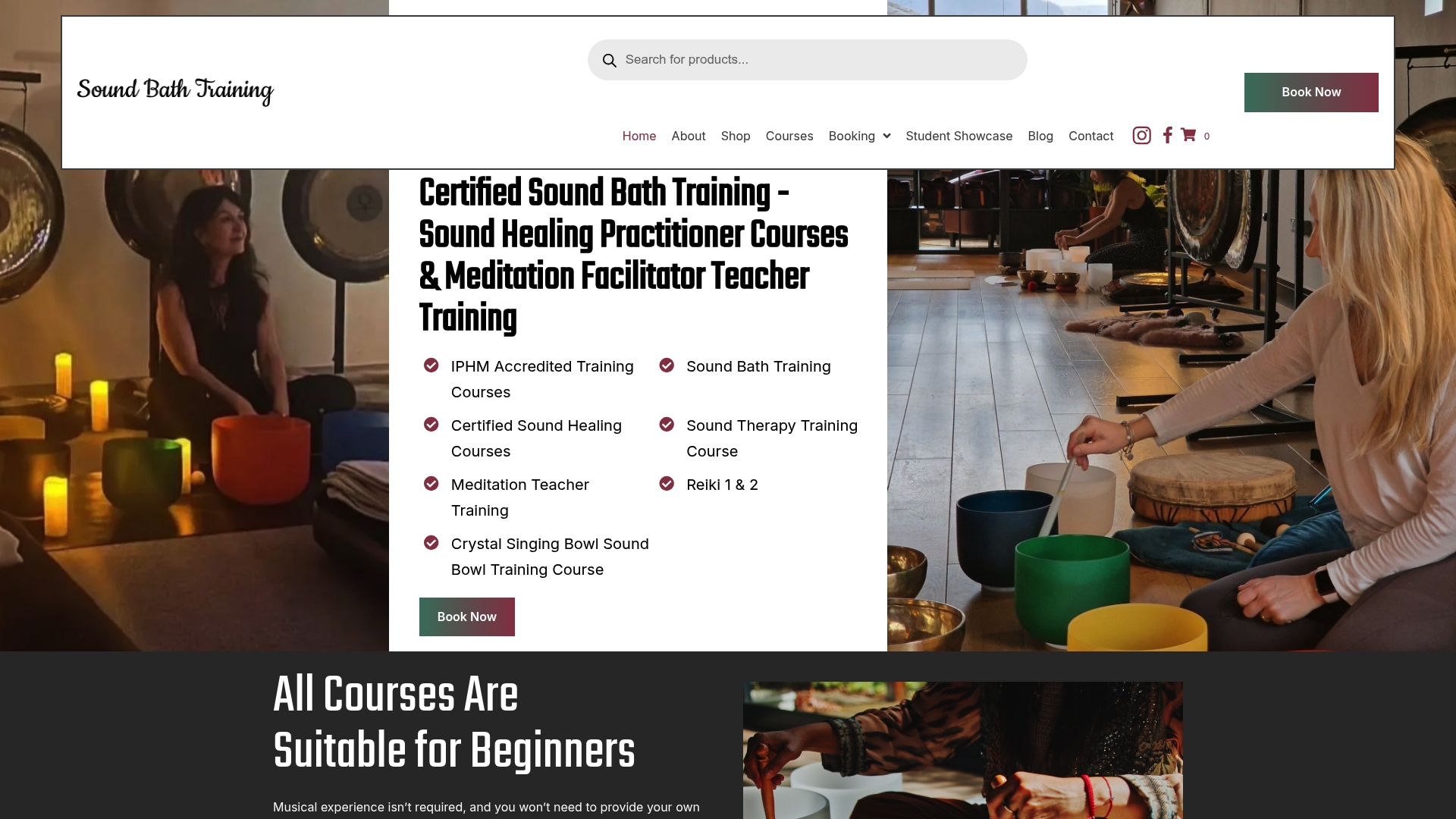
Soundbathtraining’s small-group format, with a maximum of three participants per session, means every student works with a full set of crystal bowls from day one. There is no waiting for your turn. The tranquil studio environment supports the kind of nervous system settling that somatic work demands. Whether you are building a new practice or adding sound to an existing therapeutic offering, the sound healing practitioner courses cover everything from foundational technique to advanced client work. You can also explore the full course catalogue to find the right level for where you are now.
FAQ
What does somatic sound coaching mean?
Somatic sound coaching combines body-based awareness practices with sound tools such as singing bowls, tuning forks, and vocal toning to regulate the nervous system and support lasting behavioural change.
Do I need a music background to practise somatic sound healing?
No prior music experience is required. Sound healing without a music background is entirely achievable, as the work focuses on therapeutic intention and nervous system response rather than musical skill.
What is the 80/20 titration method in somatic coaching?
The 80/20 titration method directs 80% of the client’s attention to a safe resource anchor and 20% to a difficult sensation, preventing overwhelm and allowing gradual trauma integration without re-traumatisation.
How long does a somatic sound coaching session typically last?
Initial consultations typically run 90 minutes, with ongoing sessions lasting 10–30 minutes, adjusted to the client’s goals and nervous system capacity.
Why does sound healing attract coaching clients?
Sound healing attracts clients because it produces rapid, felt shifts in the nervous system without requiring active effort. Many clients describe results after a single session that they have not achieved through months of talk-based work.