
Sub-Total: $0.00
Sound meditation and spiritual growth explained
Sound meditation and spiritual growth explained
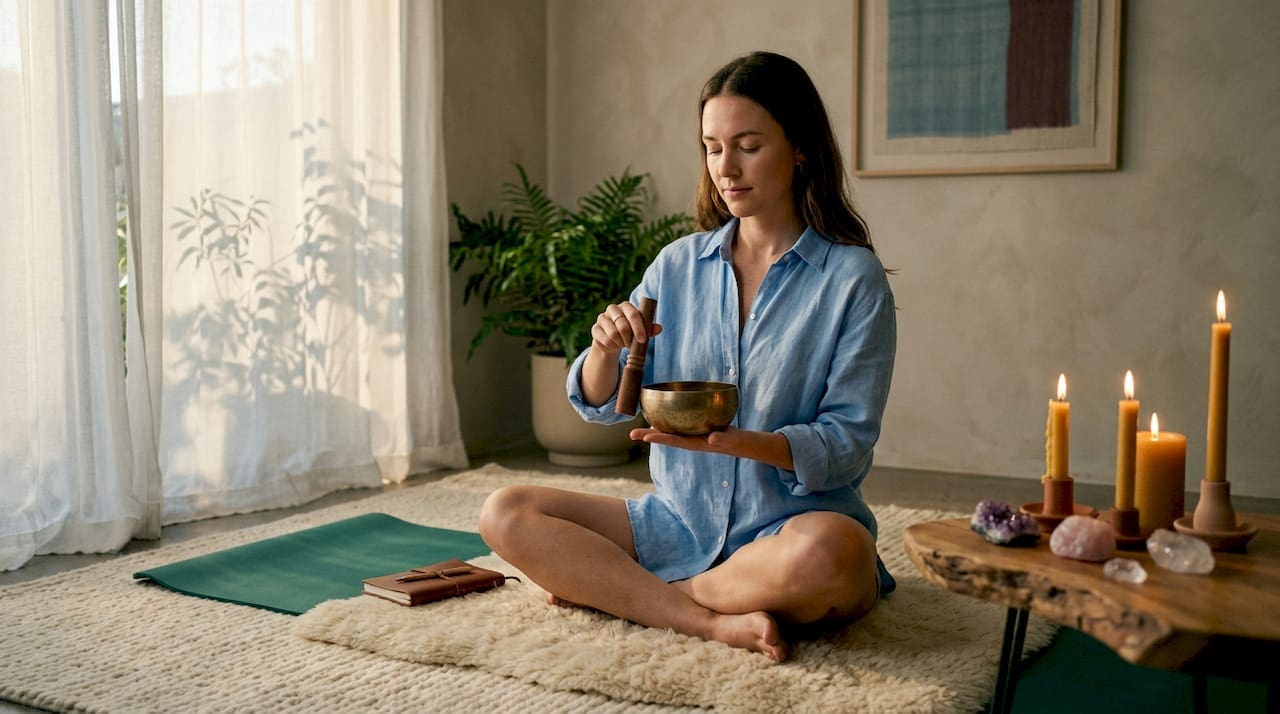
Sound meditation is a distinct spiritual practice that uses resonant sound and vocalisation to directly influence the nervous system, deepen self-awareness, and support measurable spiritual growth. Unlike breath-focused techniques, it works through auditory and vibrational pathways that are accessible to almost anyone, regardless of prior experience. The term “sound meditation” covers a broad spectrum, from Tibetan singing bowls and crystal bowls to toning, chanting, and structured sound baths. What unites these methods is their shared capacity to shift brainwave states, regulate stress hormones, and create the internal stillness that genuine spiritual development requires. This article explains the science, the methods, and the practical steps.
How sound meditation aids spiritual growth through the nervous system
Sound meditation’s spiritual effects are not metaphorical. They are grounded in measurable neurophysiological change. A meta-analysis of 23 trials found that phonation-based spiritual practices produced significant increases in vagal tone (RMSSD SMD=0.92, p<0.001) and significant reductions in cortisol (SMD=−0.54, p<0.001). Higher vagal tone means the body can shift more readily between states of alertness and rest, which is precisely the physiological condition that supports open, receptive awareness during spiritual practice.
Chanting and toning, specifically, activate the vagus nerve through laryngeal vibration. This is not incidental. The vagus nerve connects the brainstem to the heart, lungs, and gut, and its stimulation produces a cascade of calming effects that quieten the mental noise that blocks deeper self-inquiry. You can read more about these nervous system foundations at Soundbathtraining’s dedicated resource.
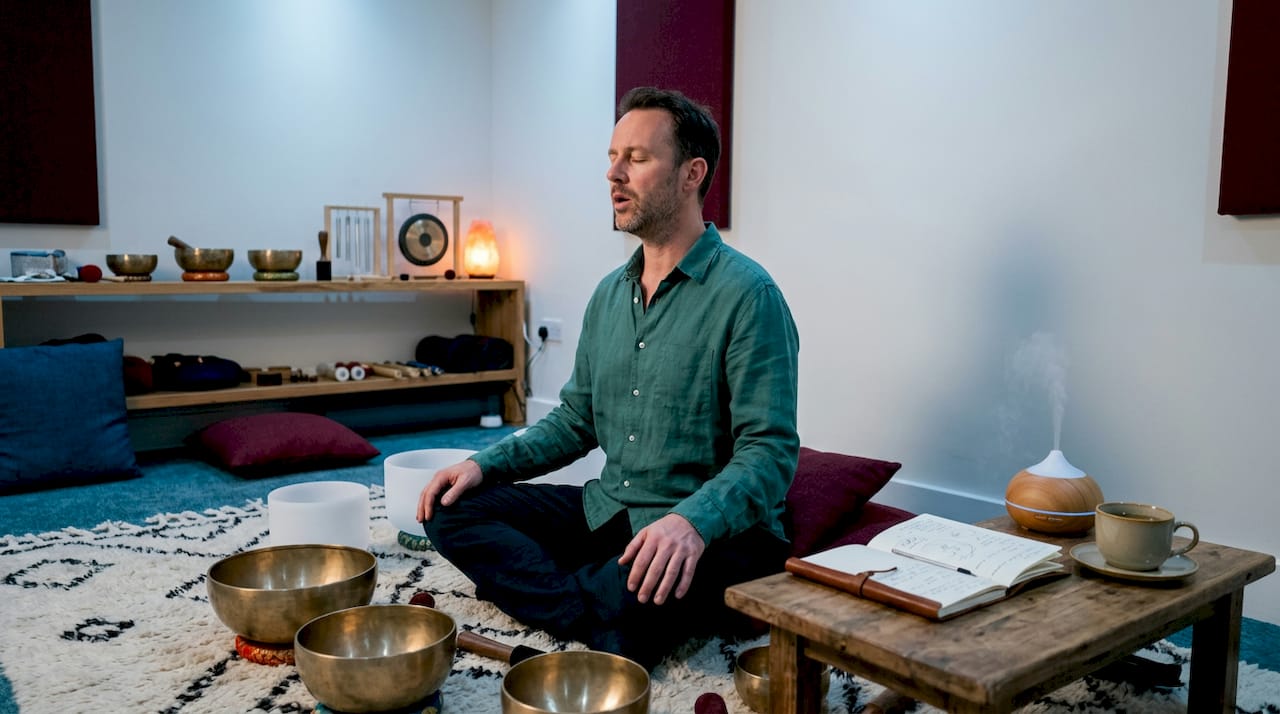
Bell meditation produces a distinct neural signature compared to other styles. A 21-day pilot study showed that bell meditation raised low-beta brainwave power alongside heart rate decreases and shifts in autonomic balance toward parasympathetic dominance. This pattern differs from standard mindfulness, suggesting that sound-specific practices recruit unique neural pathways rather than simply replicating the effects of sitting quietly.
Toning vocalisation produces yet another distinct profile. EEG data showed increased alpha and theta brainwave power following toning sessions, states associated with creative insight, reduced self-criticism, and heightened receptivity. These are precisely the mental conditions that spiritual traditions have sought for centuries through chant and mantra. The science now confirms what practitioners have long reported.
“Sound meditation’s physiological effects can be objectively measured via vagal tone and cortisol, directly linking spiritual practice with nervous system regulation.” — Phonation-based spiritual practices and autonomic regulation
Pro Tip: If you are new to sound meditation, begin with five minutes of sustained humming before any sitting practice. The laryngeal vibration activates the vagus nerve within seconds and creates a noticeably calmer baseline before you begin deeper work.
Active vs passive: which sound methods work best for spiritual development?
Not all sound meditation techniques produce the same outcomes. The distinction between active phonation and passive listening is one of the most practically significant findings in current research. Active vocalisation produces stronger autonomic nervous system regulation than passive sound baths alone, with meta-regression showing that nasal phoneme density correlates directly with vagal tone increases. This means humming, toning, and chanting deliver deeper physiological effects than simply lying beneath singing bowls, however pleasant that experience may be.
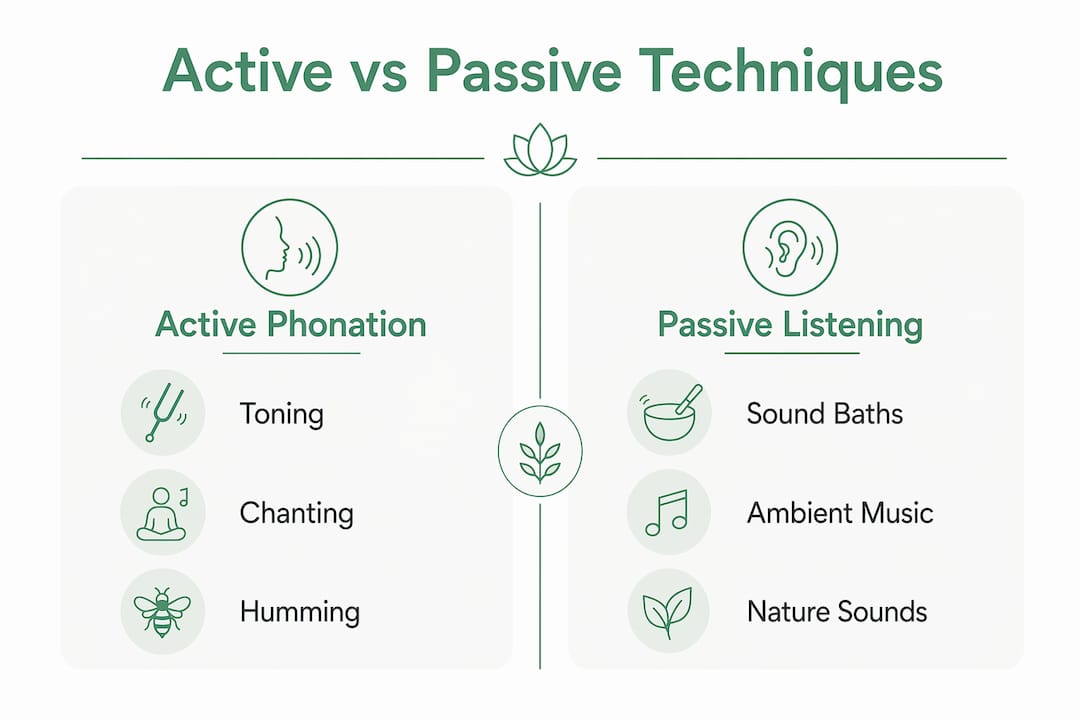
The table below compares the primary methods across key dimensions:
| Method | Primary effect | Best suited for | Limitation |
|---|---|---|---|
| Toning and humming | Vagal activation, alpha/theta elevation | Daily self-regulation, stress reduction | Requires consistent personal practice |
| Chanting and mantra | Cortisol reduction, focused attention | Ritual practice, group settings | May feel unfamiliar to beginners |
| Bell meditation | Low-beta increase, parasympathetic shift | Structured sessions, focus work | Requires instrument or recording |
| Sound bath (passive) | Deep relaxation, parasympathetic activation | Introductory experiences, recovery | Less autonomic regulation than active methods |
| Vibroacoustic therapy | Physiological relaxation, stress reduction | Therapeutic or clinical contexts | Limited accessibility outside specialist settings |
A single 20-minute vibroacoustic session increased breathiness in speech prosody, a reliable marker of physiological relaxation, comparable to guided mindfulness meditation. This confirms that even passive sound methods produce real, measurable change. The practical implication is that sound baths are a legitimate entry point, but they work best when followed by a period of quiet reflection rather than immediate return to daily activity.
For those building a personal practice, the following approaches offer a structured starting point:
- Toning: Sustain a single vowel sound (such as “ahhh” or “ohhm”) for 5 to 10 minutes. Focus on the physical sensation of vibration in the chest and skull rather than on the sound itself.
- Chanting: Use a simple repeated phrase or mantra. Repetition is the mechanism. The content of the phrase matters less than the rhythmic, sustained vocalisation.
- Crystal singing bowls: Strike or rim a bowl and follow the decay of the tone with full attention. The crystal singing bowl is one of the most accessible instruments for home practice.
- Sound baths: Attend a facilitated group session to experience the full range of instruments and frequencies. Use the post-session stillness deliberately for reflection.
Session length matters. Research and practitioner consensus both point to consistency over duration. Fifteen minutes of daily toning produces more cumulative benefit than a single two-hour session each fortnight.
Why self-reflection is the missing ingredient in sound meditation for spiritual growth
Sound meditation creates the conditions for spiritual growth. It does not deliver growth automatically. Meditation cultivates awareness, but reflection is what converts that awareness into lasting inner change. Without deliberate self-inquiry after a session, the calming effects dissipate and the practitioner returns to habitual patterns unchanged. This is the most common reason people plateau after months of regular practice.
The concept of the “inner observer” is central here. Spiritual growth often begins not with mystical experience but with the quieter, more reliable development of self-regulation and awareness. The ability to notice your own reactions, assumptions, and emotional patterns without immediately acting on them is the foundational skill that sound meditation, combined with reflection, builds over time.
The following sequence integrates sound practice with structured self-inquiry:
- Begin with 5 to 10 minutes of toning or humming to settle the nervous system and reduce cortisol.
- Sit in silence for 2 to 3 minutes after the sound practice ends. Do not reach for your phone or begin a task.
- Write three sentences in a journal: what you noticed in your body, what arose in your mind, and what you are choosing to release or carry forward.
- Read what you wrote without judgement. The act of reading your own words activates the prefrontal cortex and deepens the reflective process.
- Return to the day with one conscious intention drawn from the reflection.
This five-step sequence takes under 20 minutes and addresses both the physiological and psychological dimensions of spiritual growth. Mental Health America recommends daily brief spiritual practice of around five minutes to nurture meaning and connection. The sequence above exceeds that minimum while remaining genuinely sustainable.
Pro Tip: Avoid the common mistake of treating the post-session silence as wasted time. That window of quiet, when the nervous system is still in a regulated state, is when the most durable insights tend to surface. Protect it.
How to start a sound meditation practice that actually sticks
Sound meditation has a practical advantage over breath-focused techniques that is rarely discussed. Sound is everywhere. You do not need a cushion, a quiet room, or a specific posture to begin. Psychology Today recommends 5-minute sound meditation sessions and integrating “pause-and-listen” moments throughout the day. This means the practice can be woven into ordinary life rather than requiring a dedicated retreat from it.
Short, frequent sessions build consistency better than long, sporadic ones. Five-minute daily sessions using accessible sounds compound into significant benefit over weeks and months. The key is removing friction from the practice so that beginning feels easier than skipping it.
Practical steps to build a sustainable routine:
- Choose one method and commit to it for 30 days. Switching between techniques too quickly prevents the nervous system from establishing a conditioned relaxation response.
- Use environmental sounds as informal practice. Rain, birdsong, and even traffic can serve as objects of focused attention during brief “pause-and-listen” moments.
- Pair sound meditation with an existing habit. Attaching a five-minute toning session to your morning tea or evening wind-down removes the need for willpower.
- Track your practice simply. A tick in a notebook is sufficient. The visual record of consistency is itself motivating.
- Integrate gratitude. Ending each session with a single thought of genuine appreciation shifts the emotional tone of the practice and supports the spiritual dimension of growth.
Sound healing for spirituality does not require expensive instruments or specialist knowledge to begin. A human voice, a quiet corner, and five minutes are sufficient to start building the neurological and psychological foundations that deeper practice later expands.
Key takeaways
Sound meditation produces measurable spiritual growth by combining nervous system regulation with the reflective awareness that converts transient calm into lasting inner change.
| Point | Details |
|---|---|
| Active phonation outperforms passive listening | Toning and chanting produce stronger vagal tone increases than sound baths alone. |
| Reflection is non-negotiable | Journalling or silent inquiry after sessions converts physiological calm into genuine spiritual development. |
| Consistency beats duration | Daily five-minute sessions compound more effectively than occasional long sessions. |
| Sound meditation is neurologically distinct | Bell meditation and toning produce unique brainwave patterns not replicated by breath-focused practices. |
| Accessibility is a genuine advantage | Environmental sounds and brief sessions make sound meditation sustainable for most people without specialist equipment. |
What years of practice taught me about sound and inner change
I have worked with sound meditation in various forms for a long time, and the single most common mistake I observe is treating the practice as a destination rather than a tool. People attend a sound bath, feel profoundly relaxed, and then wait for spiritual growth to arrive as if it were a parcel. It does not work that way.
What I have found is that the most significant shifts happen not during the session but in the 48 hours that follow, provided the practitioner has done the reflective work. The nervous system regulation that toning and chanting produce creates a window of reduced reactivity. What you do with that window determines whether the practice deepens or simply becomes a pleasant habit.
I am also sceptical of the idea that more complex or expensive instruments produce better outcomes. A sustained hum costs nothing and, based on the research, delivers some of the strongest autonomic effects available. The practitioner who tones for ten minutes each morning and journals for five will, over a year, outpace someone who attends monthly sound baths without any reflective practice in between.
The other thing worth saying plainly: spiritual growth manifests first as improved self-regulation and clearer awareness, not as mystical experience. If you are waiting for a dramatic awakening, you may miss the quieter, more durable changes that are already occurring. Pay attention to how you respond to frustration, how quickly you recover from stress, and how often you notice your own thought patterns. Those shifts are the real measure of progress.
— Sarah
Deepen your practice with Soundbathtraining
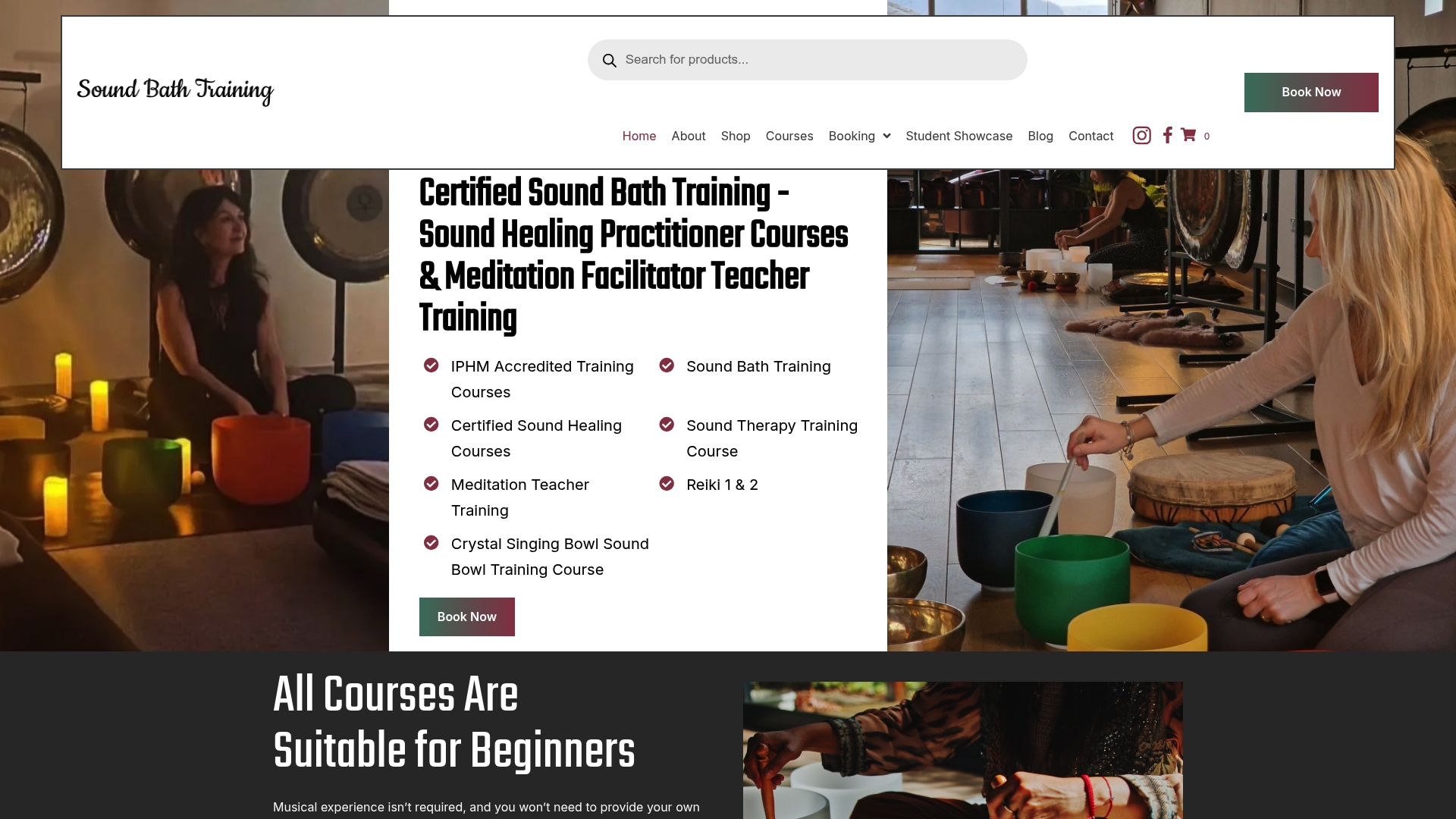
If this article has clarified how sound meditation supports spiritual growth, the natural next step is structured, hands-on learning. Soundbathtraining offers accredited sound healing courses for all levels, from complete beginners to those seeking professional practitioner certification. No prior musical background is required. Courses are taught in small groups with a high trainee-to-instructor ratio, so you receive genuine personal guidance rather than generic instruction. Whether you want a focused one-day introduction to crystal singing bowls or a comprehensive four-day practitioner programme, Soundbathtraining provides the practical foundation that self-directed practice alone cannot replicate.
FAQ
What is sound meditation?
Sound meditation is a contemplative practice that uses resonant sounds, including singing bowls, toning, chanting, and bells, to shift brainwave states, regulate the nervous system, and support self-awareness. It differs from silent meditation by using auditory and vibrational stimuli as the primary object of attention.
How does sound meditation support spiritual growth?
Sound meditation reduces cortisol and increases vagal tone, creating the physiological conditions for open, receptive awareness. When combined with self-reflection, these regulated states convert into lasting changes in self-understanding and emotional resilience, the foundations of authentic spiritual growth.
Is active toning better than attending a sound bath?
Research shows that active phonation produces stronger autonomic nervous system regulation than passive listening. Sound baths are a valuable entry point and support deep relaxation, but toning and chanting deliver greater physiological benefit for those seeking sustained spiritual development.
How long should a sound meditation session be?
Five minutes daily is a research-supported starting point. Consistency matters more than duration. Short daily sessions build a conditioned relaxation response more effectively than longer, infrequent practice.
Do I need instruments or musical ability to practise sound meditation?
No instruments or musical training are required. The human voice through humming, toning, or chanting is among the most effective tools available, and environmental sounds can serve as objects of attention for informal practice at any point during the day.
Recommended
- Crystal Singing Bowl Sound Healing Course – 1 Day | Sound Bath Training
- Crystal Singing Bowl Sound Healing Course With Tibetan Bowls – 2 Days | Sound Bath Training
- Accredited Sound Healing Practitioner Training Course (all instruments) – 3 Days | Sound Bath Training
- Accredited Sound Healing Practitioner Training Course (all instruments) With Sound Therapy 1:1 – 4 Days | Sound Bath Training