
Sub-Total: $0.00
What is a beginner sound bath? Your clear guide
What is a beginner sound bath? Your clear guide
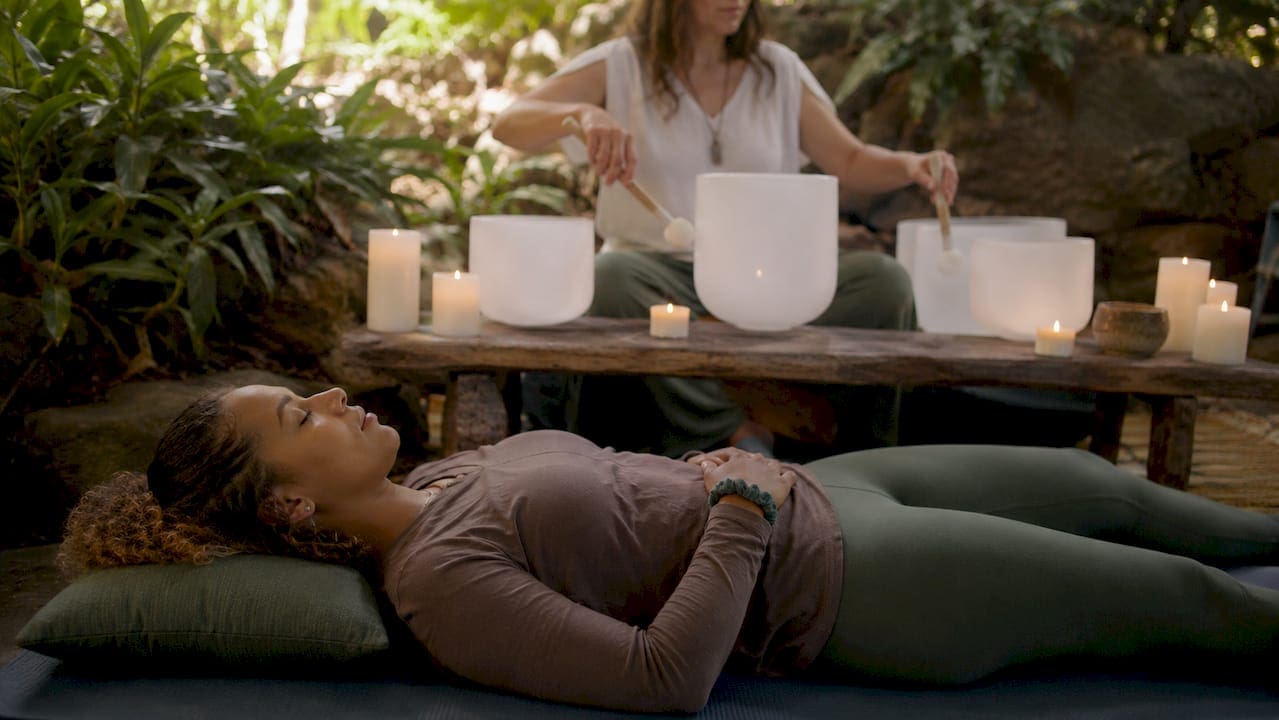
A beginner sound bath is a meditative session in which participants lie still while a practitioner plays instruments such as crystal singing bowls, gongs, and tuning forks to create a continuous, immersive soundscape. The industry term for this practice is sound meditation, and the two phrases are used interchangeably throughout this guide. Sessions typically last around 60 minutes and require no prior musical knowledge or meditation experience. The goal is simple: you receive the sound passively, your nervous system settles, and deep rest follows. Soundbathtraining describes this experience well: it is less like a concert and more like an extended savasana enhanced by therapeutic vibration.
What is a beginner sound bath session like from start to finish?
A sound bath session follows a clear, unhurried structure. Understanding that structure removes the uncertainty that stops many people from trying it.
Sessions begin with 5–10 minutes of grounding before any instruments are played. The practitioner typically guides participants through slow breathing or a simple intention setting. This settling period signals to the body that it is safe to relax.
Once grounding is complete, you lie down on a mat or yoga blanket in a comfortable position. Your only role from that point is to listen and feel. There is nothing to do, no posture to hold, and no performance expected. The lights are usually dimmed, and the room temperature is kept warm.
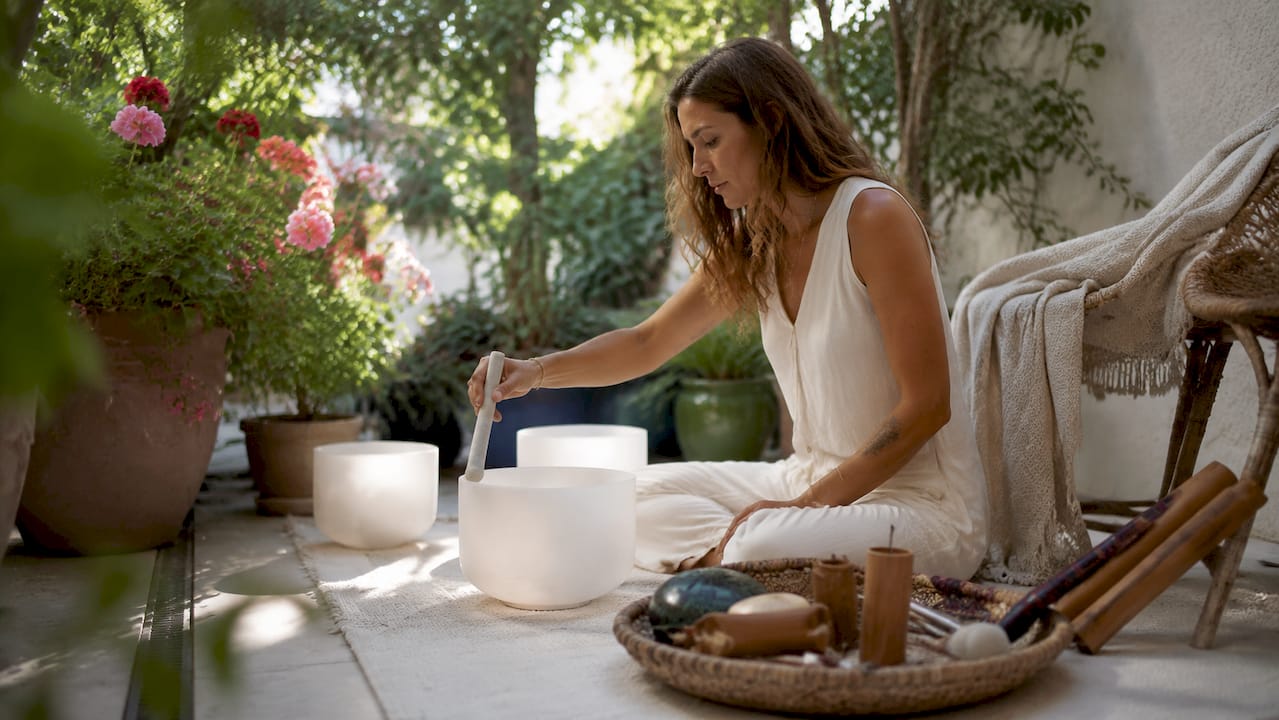
The practitioner then introduces sound gradually. Crystal singing bowls are often played first, their sustained tones filling the room slowly. Gongs and chimes may follow, with each transition kept gentle and unhurried. The sequence builds a layered acoustic environment without ever becoming abrupt.
- Lie on your back with your arms slightly away from your body
- Close your eyes or soften your gaze toward the ceiling
- Breathe naturally without trying to control the rhythm
- Allow sounds to wash over you rather than analysing them
- If your mind wanders, simply return your attention to the nearest sound
Pro Tip: Arrive five minutes early so you can choose your spot, settle your belongings, and avoid the mild anxiety of rushing in at the last moment.
What are the scientifically supported benefits of sound baths?
Sound baths produce measurable physiological changes, though the research field is still developing. Knowing what the evidence actually says helps you set realistic and honest expectations.
Research shows sound baths reduce stress, tension, anger, and fatigue with noticeable mood improvement reported immediately after sessions. One study with 62 participants found that Tibetan singing bowl meditation significantly reduced negative mood states. The effect was meaningful, though researchers note that larger, more rigorous trials are still needed.
“Sound is vibration that the body can ‘hear’ through skin and bones, which helps reduce heart rate and blood pressure by giving the brain a simple focus, bypassing mental stress loops.”
— Washington University neuroscience research
The mechanism behind this is physiological. Sound vibration felt through the body nudges the nervous system from its alert “fight or flight” state into the calmer “rest and digest” mode. This shift lowers cortisol, slows the breath, and reduces muscular tension without any conscious effort from the participant.
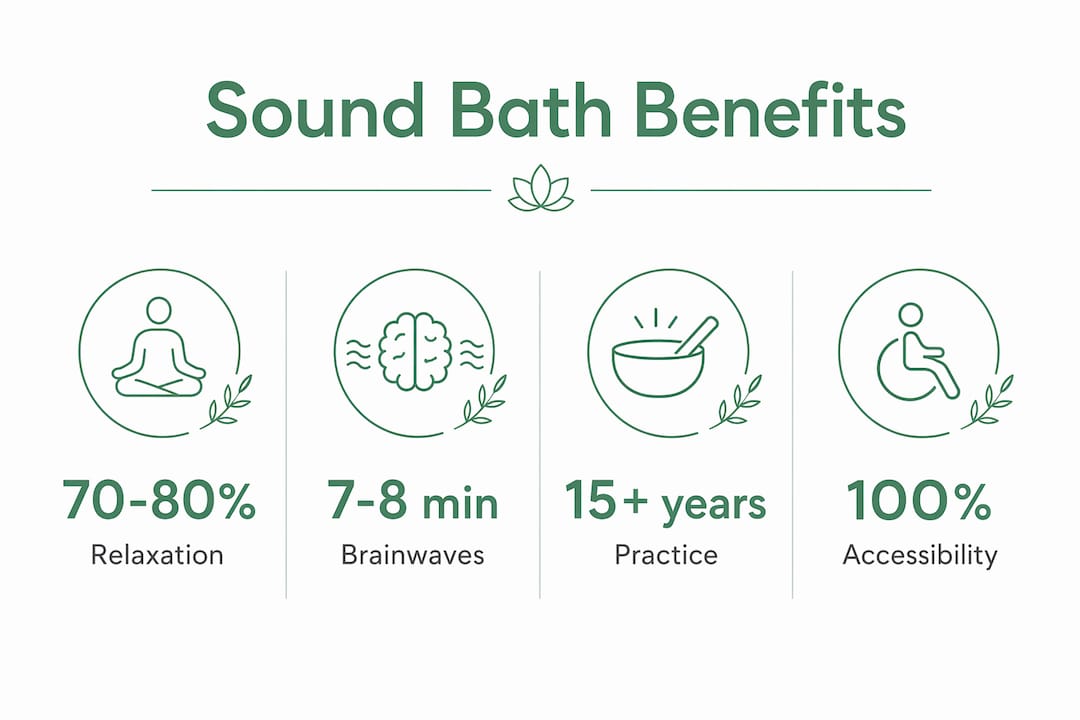
Beginners typically reach theta or delta brainwave states within 7–8 minutes of sound immersion beginning. These are the same brain states associated with deep sleep and restorative meditation. Reaching them while still gently conscious is what makes sound baths feel so unusually refreshing.
Sound therapy is a complementary practice, not a medical treatment. Therapeutic effects for chronic conditions such as persistent anxiety or pain often fade without regular sessions, and sound baths should sit alongside conventional healthcare rather than replace it. The benefits are real and worth pursuing. They simply require consistency and honest framing.
Practical tips to prepare for your first sound bath
Preparation makes a genuine difference to how much you get from a session. A few small decisions before you arrive will let you settle far more quickly once you are there.
- Wear loose, comfortable clothing. Tight waistbands or stiff fabrics become distracting when you are lying still for an hour. Soft layers work best.
- Bring a blanket and a pillow. Body temperature drops naturally as you reach deep relaxation states, and a thin blanket prevents the chill from pulling you out of the experience.
- Add a pair of warm socks. Cold feet are a surprisingly common reason people cannot fully relax during sessions.
- Eat lightly beforehand. A heavy meal makes lying flat uncomfortable. Aim to eat at least 90 minutes before the session starts.
- Switch your phone to silent and place it out of reach. Even a vibration on a hard floor can break the meditative state for everyone in the room.
Mindset preparation matters just as much as physical comfort. The core skill in sound meditation is not maintaining a perfectly empty mind. It is noticing when your attention has drifted and gently returning it to the sound. Participants redirect their focus many times per session, and this redirection is the practice itself, not a sign that something has gone wrong.
Pro Tip: If you find a particular bowl tone especially calming, let your attention rest there. You do not need to follow every instrument equally. Anchor to what works for you.
For a practical walkthrough of setting up your own space, the sound bath at home guide from Soundbathtraining covers everything from room layout to instrument placement.
How do different instruments shape the sound bath experience?
Each instrument used in a sound bath produces a distinct type of vibration. Understanding what each one does helps you appreciate why sessions feel the way they do.
| Instrument | Vibration quality | Effect on participant |
|---|---|---|
| Crystal singing bowls | Sustained, pure tones | Promotes deep calm and steady focus |
| Gongs | Rich, complex overtones | Encourages full body release and surrender |
| Tuning forks | Precise single frequencies | Targets localised tension and mental clarity |
| Chimes and bells | Short, bright tones | Marks transitions and gently lifts awareness |
Crystal singing bowls are the most common starting point for beginners. Their tones are clear and easy to follow, which makes them ideal for anchoring attention during sound meditation for beginners. Gongs add depth and complexity as a session progresses, but they require careful handling. Played too loudly or too abruptly, they can startle rather than soothe.
Practitioners advise that sound baths should use gentle transitions and minimalist instrumentation, particularly for beginners. Sessions that layer too many instruments simultaneously, or shift between them without pause, pull participants out of meditative states rather than deepening them. A well-run beginner session feels spacious. There is as much silence between sounds as there is sound itself.
Tuning forks occupy a different role. Rather than filling a room with ambient tone, they deliver vibration at a specific frequency, often held near the body. The effect is more focused and less immersive than bowls or gongs, making them a useful tool for practitioners working with individuals rather than groups.
Key takeaways
A beginner sound bath is a passive, accessible practice in which therapeutic sound vibrations guide the nervous system into deep rest, with consistent sessions required to sustain the benefits.
| Point | Details |
|---|---|
| No experience needed | Sound baths require no musical or meditative background to participate fully. |
| Sessions last around 60 minutes | Most beginner sessions run for one hour in a small group or one-to-one setting. |
| Benefits are real but require consistency | Stress and mood improvements are research-backed, but lasting results need regular practice. |
| Preparation improves the experience | Loose clothing, a blanket, warm socks, and a light meal beforehand make a measurable difference. |
| Mind wandering is normal | Redirecting attention back to sound is the core skill, not a failure of concentration. |
What I have learned from watching beginners experience sound for the first time
The moment that stays with me most is not the dramatic one. It is not the person who cries or the one who falls into the deepest sleep. It is the person who arrives visibly tense, arms crossed, slightly sceptical, and then, about ten minutes in, you watch their shoulders drop two inches. They did not decide to relax. The sound did it for them.
That is what I think gets lost in most descriptions of sound baths. People expect to have to work at it. They worry they will do it wrong, that their mind will wander too much, or that they will not feel anything at all. The truth is that the body responds to therapeutic vibration whether the mind cooperates or not. Sound baths are best understood as an extended savasana enhanced by sound, not a performance you attend or a skill you demonstrate.
My honest advice for a first session: choose a practitioner with recognised credentials, keep your expectations loose, and resist the urge to evaluate the experience while it is happening. The assessment can wait until you are sitting up again. During the session, your only job is to be there.
— Sarah
Ready to go deeper with sound healing?
Curiosity about sound baths often leads somewhere more meaningful: a desire to understand the practice well enough to share it with others.
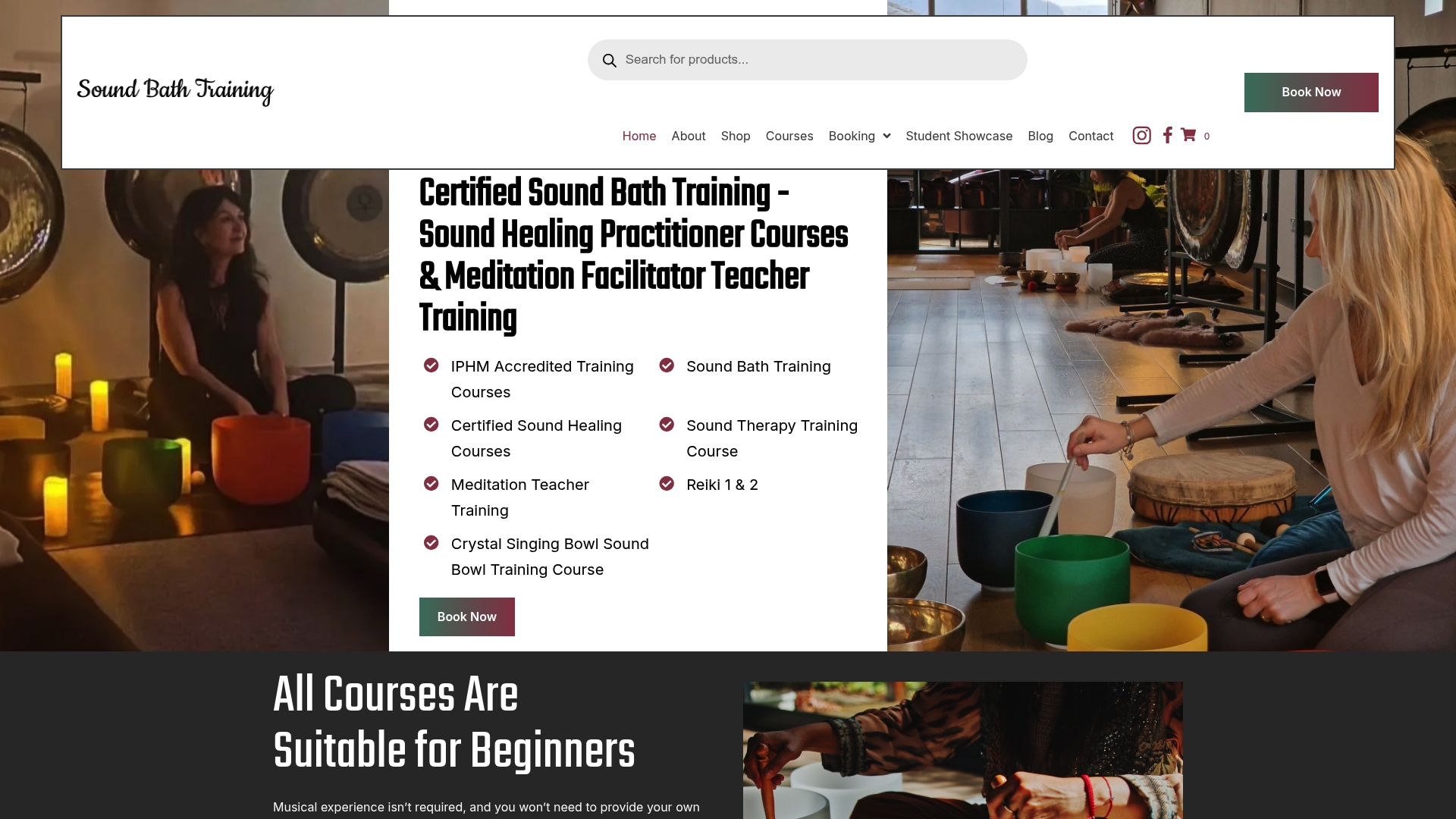
Soundbathtraining offers IPHM accredited sound healing practitioner training in small groups of no more than three people, held in a tranquil studio environment. Every participant works with a full set of crystal bowls from day one, with no musical background required. For those who want a structured path into the practice, the accredited sound healing course covers all core instruments across four days of hands-on training. If you prefer to begin at home first, the beginner home setup guide is a practical starting point before committing to a full course.
FAQ
What does a beginner sound bath involve?
A beginner sound bath is a guided session where you lie down while a practitioner plays instruments such as crystal singing bowls and gongs. Sessions typically last 60 minutes and require no prior experience.
Is a sound bath the same as sound meditation?
Yes. Sound bath and sound meditation refer to the same practice. The term “sound bath” describes the immersive quality of the experience, while “sound meditation” emphasises the meditative mechanism at its core.
What should I bring to my first sound bath?
Bring a blanket, a small pillow, and warm socks. Body temperature drops during deep relaxation, so layering up prevents discomfort from interrupting the session.
How quickly will I feel the effects?
Beginners often reach theta or delta brainwave states within 7–8 minutes of the sound immersion starting. Most people notice a shift in tension and mood within the first quarter of the session.
Can sound baths treat anxiety or depression?
Sound baths are a complementary wellness practice, not a medical treatment. Research shows mood and stress improvements after sessions, but sound therapy should support rather than replace professional care for diagnosed conditions.