
Sub-Total: $0.00
What is a personal sound healing journey?
What is a personal sound healing journey?
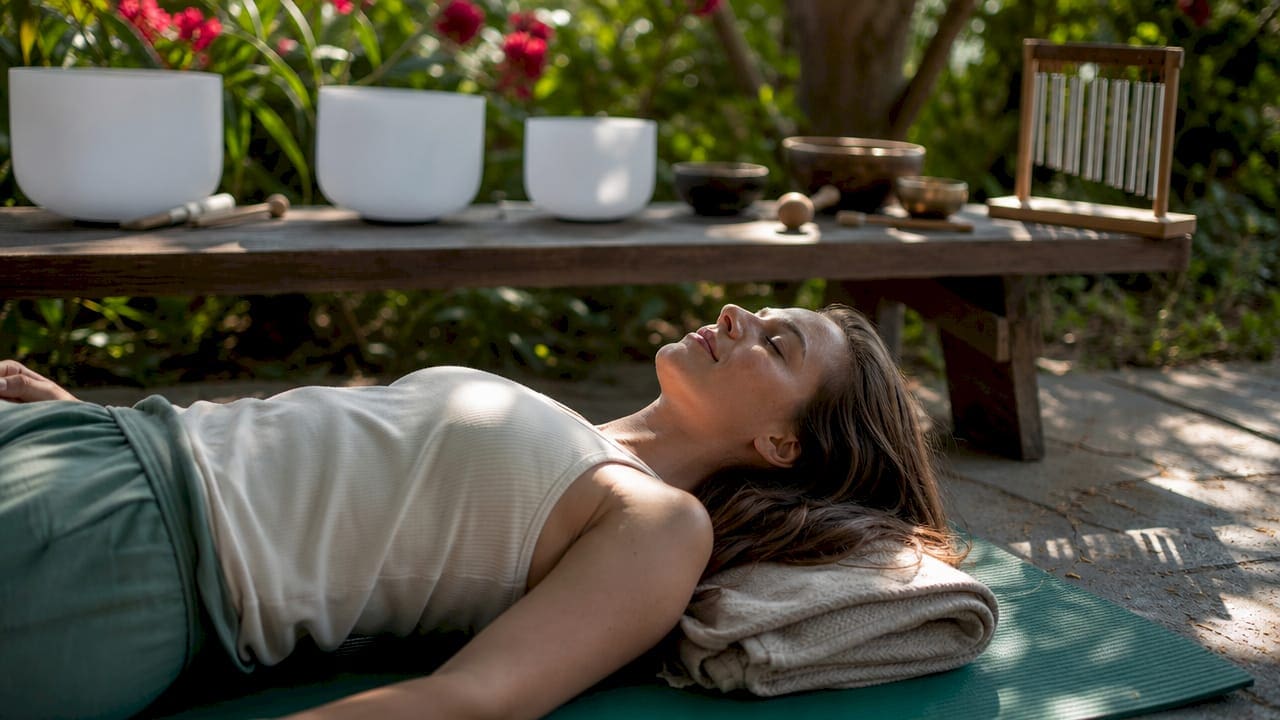
A personal sound healing journey is a guided, immersive experience that uses resonant instruments and voice to shift the nervous system from stress into deep relaxation and emotional balance. Practitioners use tools such as Tibetan singing bowls, crystal bowls, gongs, and vocal toning to create a therapeutic sound environment that changes brainwave frequencies and supports mental and emotional health. Sessions typically last 30–60 minutes and are tailored to the individual’s needs, making each experience distinct. No musical background or meditation experience is required to benefit.
What is a personal sound healing journey and how does it work?
A personal sound healing journey works by using sound vibrations to guide the nervous system out of a stress response and into a restorative state. The formal term used by practitioners is sound therapy or vibroacoustic therapy, though “sound healing journey” describes the lived, experiential quality of the practice. Understanding both terms helps you speak the language of practitioners and researchers alike.
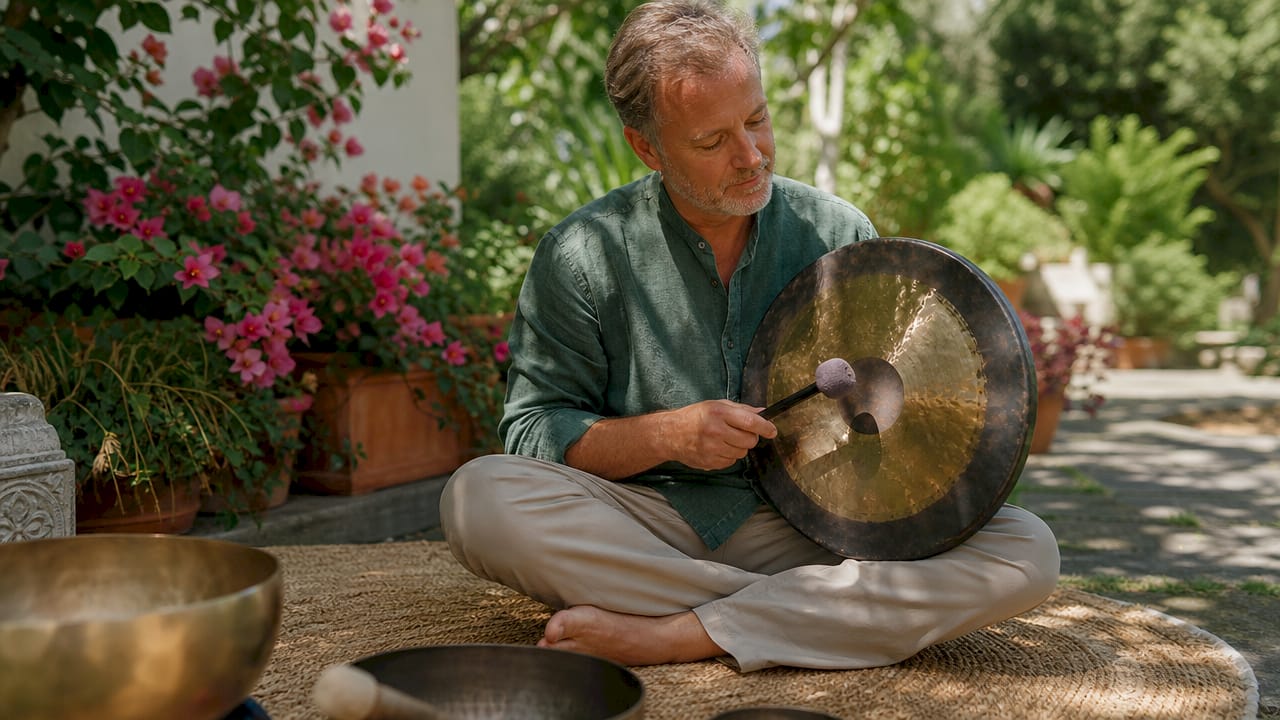
The core mechanism is entrainment: the synchronisation of your heart rate, breathing, and brainwaves with slow, steady sound patterns. When you hear a sustained tone from a crystal bowl or gong, your brainwaves begin to follow that rhythm. Sound acts on cellular physiology by modulating brainwave activity, directly linking emotional wellbeing with measurable physical processes.
Brainwave states shift in a predictable sequence during a well-facilitated session. Beta waves dominate when you are stressed or mentally active. Sound exposure moves the brain progressively into alpha (calm alertness), theta (deep meditation), and delta (sleep-like restoration). EEG measurements during sound baths confirm this entrainment effect, showing physiological rhythms synchronising with the sound environment.
Pro Tip: If you feel your mind resisting during a session, focus on the physical sensation of sound vibrating through your body rather than trying to “empty” your thoughts. Presence, not performance, produces results.
What happens during a typical personal sound healing session?
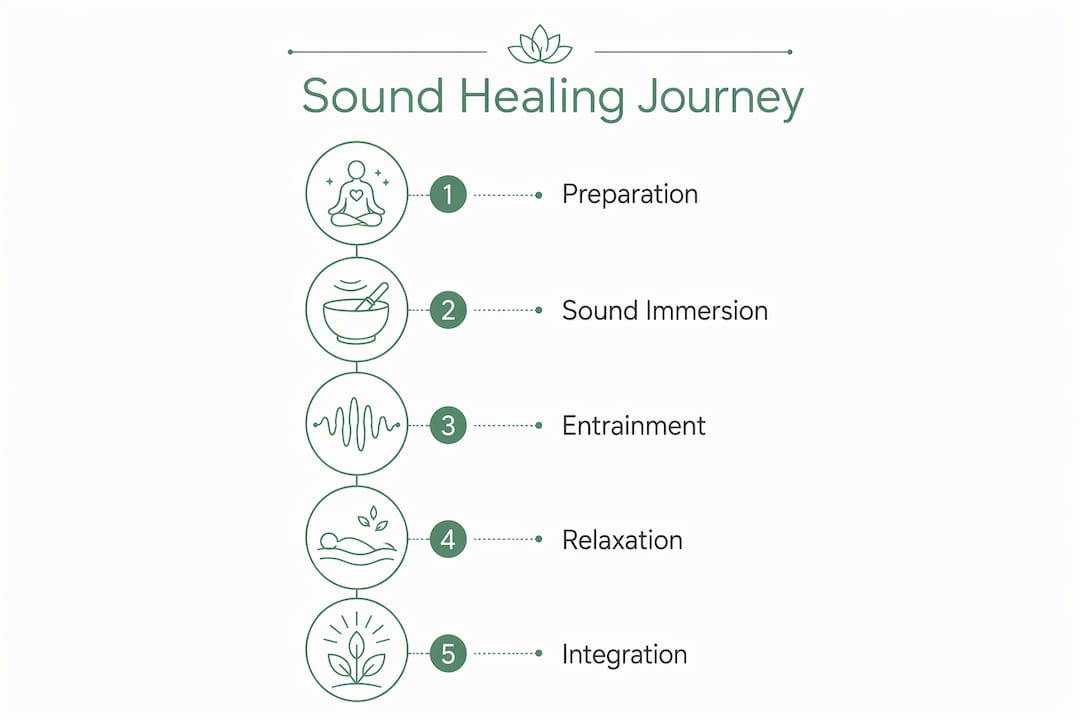
A personal sound healing session follows a clear structure, though the experience itself is fluid and responsive. Here is what most sessions involve:
- Intake conversation. The practitioner asks about your current physical and emotional state, any health conditions, and what you hope to gain. This shapes the instruments and frequencies used.
- Settling in. You lie down on a mat or treatment table, fully clothed, often with an eye mask and blanket for comfort. No special preparation is needed.
- The sound immersion. The practitioner plays instruments around and sometimes on the body. Tibetan singing bowls, crystal bowls, gongs, and voice are common. Silence is used deliberately between sounds to let your body integrate each vibrational shift.
- Gradual return. The session closes slowly, bringing you back to full waking awareness before you sit up.
- Post-session reflection. Many practitioners offer a brief debrief or written recap. Follow-up recaps help clients process emotional shifts that surface after the session ends.
1:1 sessions differ markedly from group sound baths in their level of individual focus and practitioner responsiveness. In a private session, the practitioner reads your physical cues and adjusts in real time. Group sound baths offer a shared, community experience but cannot provide the same degree of personalisation. Costs for private sessions vary widely; 1:1 sessions typically range from $50 to $150+ depending on the practitioner and location.
How can you personalise your sound healing practice for growth?
Sound healing becomes most powerful when you treat it as an ongoing practice rather than a one-off event. Regular sessions build nervous system regulation and emotional resilience over time, with multi-week engagement producing more consistent benefits than a single session alone.
Personalising your practice means choosing what fits your life. Consider these entry points:
- Humming at home. Five minutes of humming stimulates the vagus nerve and provides immediate nervous system regulation. You need no instruments and no training.
- Vocal toning. Cycling through vowel sounds (A, E, I, O, U) creates resonances in different body areas, promoting vagal tone and calming the nervous system. Pair this with slow breathing for a simple daily practice.
- Combining with yoga or breathwork. Sound healing integrates naturally with yoga nidra, pranayama, and body scan meditations. A sound bath at the end of a yoga class deepens the relaxation response already initiated by movement.
- Setting an intention. Intention shapes the sound healing experience by directing your attention and openness before the session begins. A simple phrase such as “I am open to rest” is enough.
- Building a home space. Even a quiet corner with a singing bowl and a mat creates a dedicated environment that signals to your nervous system that it is time to settle.
Pro Tip: Approach each session with curiosity rather than expectation. The sessions where you feel “nothing happened” often produce the most noticeable shifts in mood and clarity the following day.
How do you choose the right sound healing practitioner or session?
Choosing a practitioner is the single most important decision in your sound healing practice. The quality of the experience depends heavily on the practitioner’s training, responsiveness, and ability to customise the session to you.
| Factor | Private 1:1 session | Group sound bath |
|---|---|---|
| Personalisation | High. Practitioner adapts to your needs in real time. | Low. Format is fixed for the whole group. |
| Cost | Higher per session. | Lower per person. |
| Intimacy | Direct, focused attention throughout. | Shared experience with others. |
| Follow-up | Often includes post-session recap or check-in. | Rarely includes individual follow-up. |
| Best for | Specific emotional or physical goals. | General relaxation and community. |
Practitioner credentials matter. Look for IPHM accreditation or equivalent professional body membership, which confirms the practitioner has met a recognised standard of training. Ask whether they conduct an intake assessment before the session. A practitioner who skips this step cannot tailor the sound environment to your needs.
Safety is a real consideration for some people. Those with epilepsy or implanted devices should consult a healthcare provider before attending any sound healing session. Certain frequencies and intensities may be contraindicated. Transparency about your health history with the practitioner is not optional.
What does the research say about personal sound therapy benefits?
The evidence base for sound healing is growing, though it remains an emerging field. Low-frequency sound therapy between 30–120 Hz effectively promotes relaxation and stress management, confirmed by scientific studies. At 40 Hz specifically, stimulation activates gamma waves linked to cognition and neural synchronisation. That finding matters because it shows sound does not merely mask stress; it actively reorganises brain activity.
Clinical experts describe sound healing’s benefits as arising from a simple, non-taxing auditory focus. Deep relaxation lowers heart rate and disrupts the cycle of stressful thoughts by giving the mind a single, gentle point of attention. This is physiological modulation, not placebo.
“Sound healing’s ‘deep relaxation’ benefits arise from a simple, non-taxing auditory focus.” — Harper’s Bazaar, citing clinical expert opinion on sound therapy
Outcomes do vary between individuals. Factors such as anxiety levels, openness to the experience, and session frequency all influence results. Some people feel profound calm after one session; others need several before noticing a shift. Both responses are normal.
Sound healing complements medical care and does not replace conventional therapy or psychiatric treatment. If you are managing a diagnosed mental health condition, speak with your healthcare provider before using sound healing as part of your care. Used alongside professional support, it can be a genuinely useful tool for emotional regulation.
Key takeaways
A personal sound healing journey works by using resonant sound to shift brainwaves from stress states into deep relaxation, producing measurable physiological and emotional benefits when practised regularly.
| Point | Details |
|---|---|
| Core mechanism | Sound entrains brainwaves from beta (stress) to alpha, theta, and delta (restoration). |
| No experience needed | Sessions require no musical or meditation background; you simply lie down and listen. |
| Personalisation matters | Private 1:1 sessions offer tailored intake, real-time adjustment, and post-session follow-up. |
| Home practice is accessible | Five minutes of daily humming stimulates the vagus nerve and costs nothing. |
| Safety first | People with epilepsy or implanted devices must consult a healthcare provider before attending. |
Why presence matters more than perfection in sound healing
The most common mistake I see people make is treating a sound healing session like a performance review. They lie down, then spend the whole time wondering whether they are “doing it right” or feeling frustrated that their mind has not gone quiet. That mindset is the obstacle.
What I have found, both personally and through observing practitioners work, is that the sessions with the most impact are the ones where the person simply stops trying. Sound is doing the work. Your job is to receive it. Live practitioners adjust to your energy and physical cues throughout the session, so even your restlessness is information the practitioner uses. Silence between sounds is not dead time. It is the body integrating what it has just received.
The science and the spiritual dimension of sound healing are not in conflict. Brainwave entrainment is measurable. Vagus nerve stimulation is documented. And yet the experience of lying in a room while a crystal bowl fills the air with overtones is genuinely difficult to reduce to a data point. Both things are true at once. That tension is worth sitting with rather than resolving too quickly in either direction.
My honest suggestion: commit to at least three sessions before forming a conclusion. One session tells you almost nothing. Three sessions begin to show you how your nervous system responds, what instruments resonate with you, and how the effects carry into your daily life. Start there.
— Sarah
Soundbathtraining: accredited training for those ready to go deeper
For people who want to move beyond attending sessions and begin facilitating their own, Soundbathtraining offers IPHM accredited practitioner training in a small-group studio environment with a maximum of three participants per instructor.
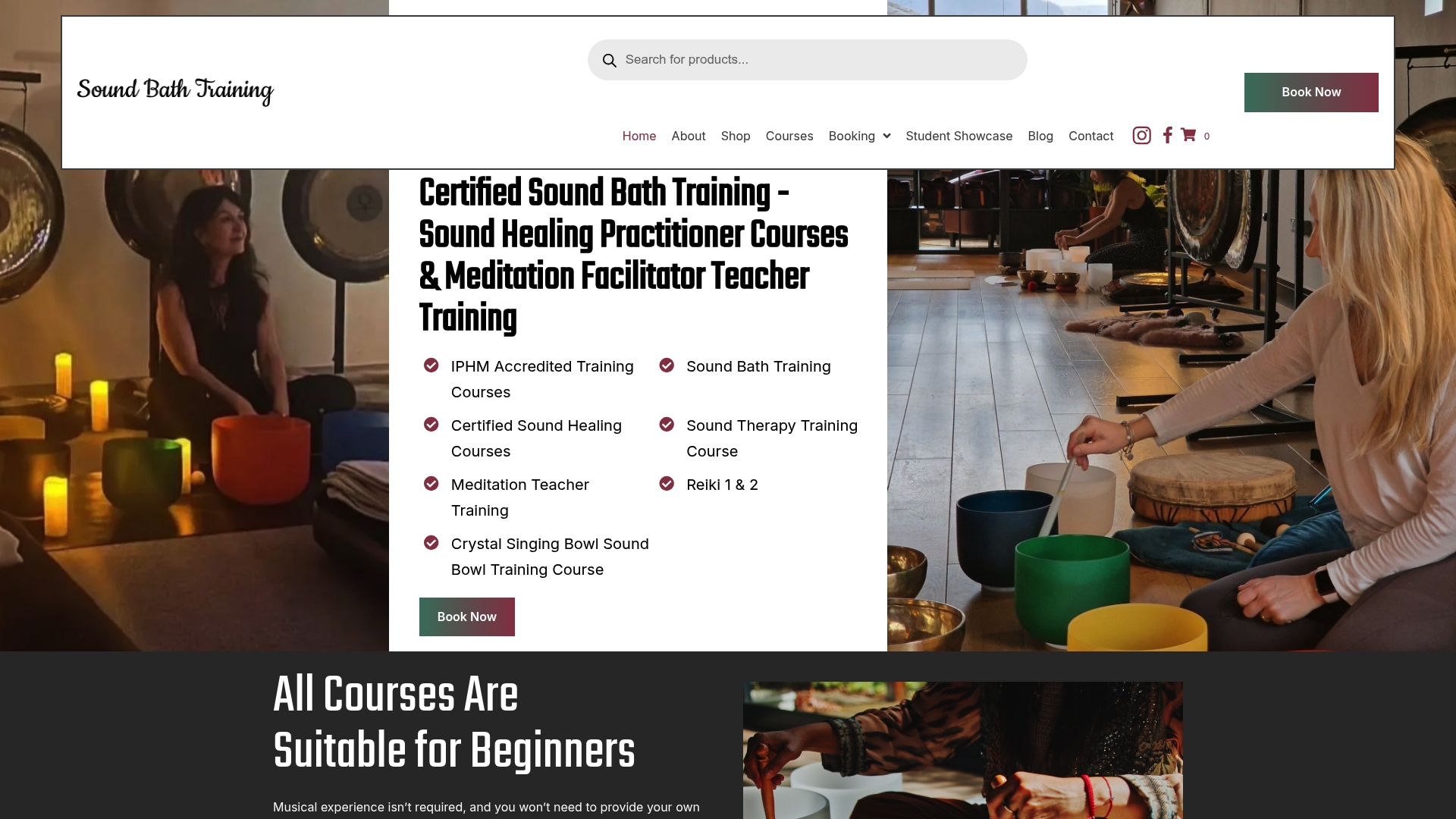
Every participant works with a full set of crystal bowls from day one. There is no waiting for your turn and no prior musical background required. The 4-day accredited practitioner course covers all instruments alongside sound therapy skills, making it suitable for those in wellness, therapy, or yoga professions. A 3-day course option focuses on core instruments and techniques for those with a tighter schedule. If you are not yet ready for practitioner training, the sound healing without a music background guide is a practical starting point.
FAQ
What is personal sound healing in simple terms?
Personal sound healing is the therapeutic use of resonant instruments or voice to calm the nervous system and support emotional wellbeing. Sessions typically last 30–60 minutes and require no prior experience.
How does sound healing work on the brain?
Sound entrains brainwaves from beta (active, stressed) to alpha, theta, and delta states associated with calm, deep meditation, and sleep. This shift is measurable using EEG during sound bath sessions.
Can I practise sound healing at home without instruments?
Yes. Humming for five minutes stimulates the vagus nerve and produces a calming effect with no equipment needed. Vocal toning with vowel sounds is another free, accessible home practice.
Is sound healing safe for everyone?
Sound healing is safe for most people, but those with epilepsy or implanted medical devices should consult a healthcare provider before attending a session. Always inform your practitioner of any health conditions during the intake.
How many sessions does it take to notice benefits?
Multi-week engagement produces more consistent benefits than a single session. Most people begin to notice clearer effects on mood, sleep, and stress levels after three or more sessions.