
Sub-Total: $0.00
Wellness services sound bath integration: top 10 techniques
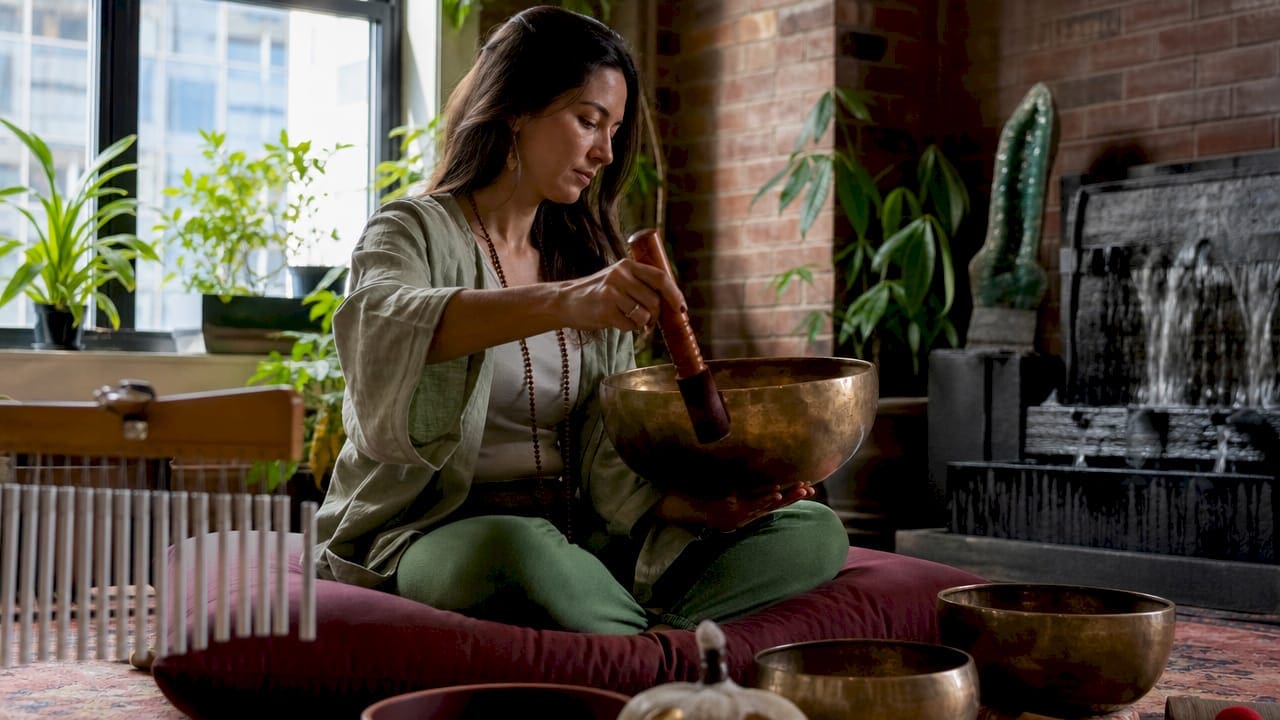
Wellness services sound bath integration: top 10 techniques
Wellness services sound bath integration is the deliberate inclusion of scientifically supported sound therapy techniques into wellness and fitness practices to enhance nervous system regulation and recovery. Sound baths, the industry term for guided immersive sound sessions using instruments such as crystal singing bowls, Himalayan bowls, and gongs, are no longer fringe offerings. The sound therapy sector is growing at 8.1% CAGR between 2024 and 2032, with mainstream adoption across fitness clubs, luxury hospitality brands, and clinical wellness settings. Operators including Virgin Active and Rainbow Sounds are already embedding sound therapy into their recovery and resilience programmes. This article gives you ten practical techniques to do the same.
1. Wellness services sound bath integration: start with therapeutic framing
The single most important step is reframing sound baths as nervous-system resets, not ambient entertainment. Marketing sound baths as therapeutic tools rather than mystical experiences drives commercial viability and client trust. That shift in language changes everything: your intake forms, your session descriptions, and your post-session follow-up all signal professional credibility.
Practitioners who lead with phrases like “autonomic recovery” and “resilience building” attract clients who are already invested in evidence-based wellness. This positions your service alongside physiotherapy and breathwork rather than entertainment.
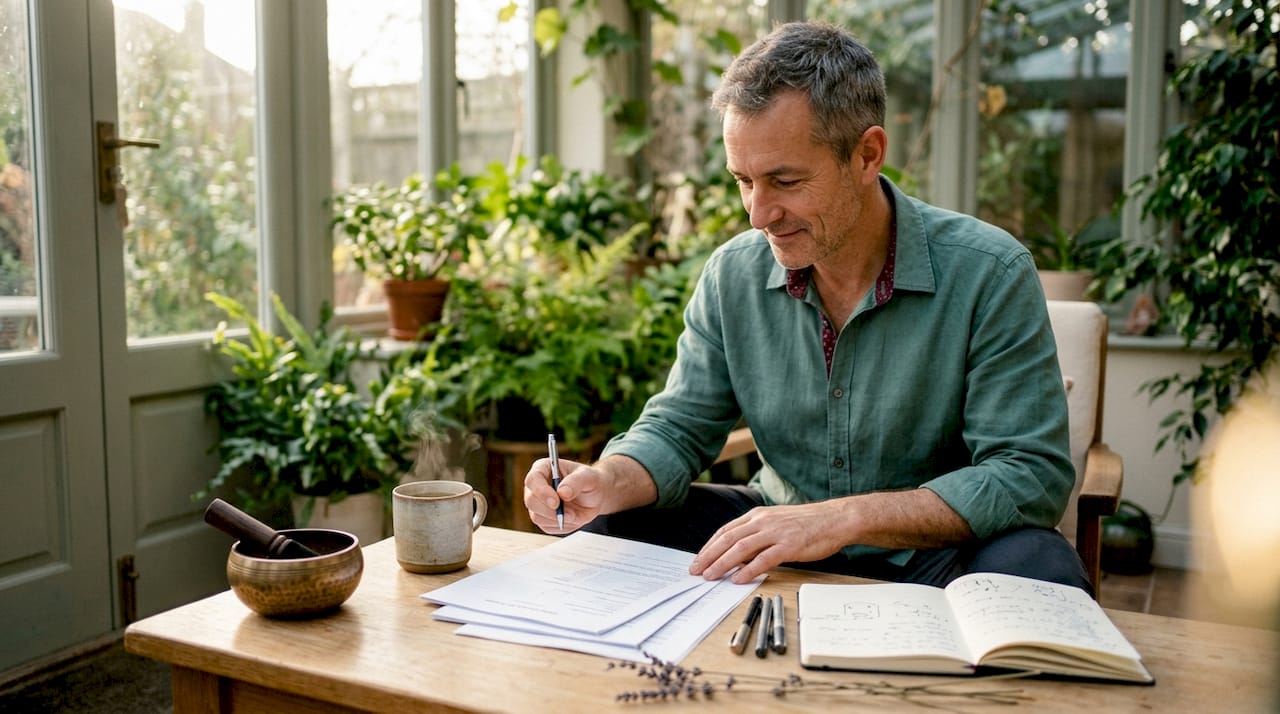
Pro Tip: Rewrite your service description to include one physiological benefit, such as “supports heart rate variability recovery,” before listing any instrument names.
2. Design sessions around nervous system stabilisation
Typical sound bath sessions run 30–60 minutes in small groups, with participants lying or sitting while exposed to crystal singing bowls, gongs, and chimes. That format is not arbitrary. Sustained exposure to layered acoustic frequencies gives the autonomic nervous system time to shift from sympathetic activation toward parasympathetic rest.
For fitness settings, a 30-minute post-workout session is the most practical entry point. For retreat or spa contexts, 45–60 minutes allows deeper entrainment. Keep group sizes small to maintain acoustic quality and allow you to move instruments around the room effectively.
3. Choose instruments that match your setting and client base
Crystal singing bowls produce clear, sustained tones that carry well in large rooms. Himalayan bowls offer warmer, more complex overtones suited to smaller, intimate settings. Gongs create broad-spectrum sound that fills a space quickly and is particularly effective for group sessions. Chimes and koshi bells work well as opening or closing tools.
Sound therapy instruments include crystal and Himalayan bowls, gongs, and chimes, each producing distinct acoustic effects. Matching instrument choice to your room size, client demographic, and session goal is a core facilitation skill. A corporate wellness session calls for a different instrument palette than a luxury spa retreat.
Pro Tip: If budget is a constraint, start with two crystal singing bowls in complementary keys. A well-played pair creates sufficient harmonic depth for a full group session.
4. Integrate breathwork as a pre-session anchor
Sound baths combined with breathwork enhance therapeutic outcomes compared to passive listening alone. A three-to-five minute guided breathwork sequence before the sound bath begins primes the vagus nerve and signals to participants that this is a structured therapeutic experience, not background music.
Box breathing or a simple 4-7-8 pattern works well. The breath sequence also gives participants who struggle to settle a concrete focus point before the sound begins. This is especially useful in corporate or fitness contexts where clients arrive mentally activated.
5. Use vagus nerve activation principles in your facilitation
Vagus nerve activation improves heart rate variability, a key marker of autonomic health. Sound frequencies in the 30–120 Hz range stimulate nervous system pathways through mechanotransduction, the process by which physical vibration is converted into cellular and neurological signals. Practitioners who understand this can position instruments deliberately to maximise vibrational contact with the body.
Placing a Himalayan bowl on or near the sternum, or positioning crystal bowls close to the participant’s head, increases the physical sensation of vibration. This is not theatre. It is applied mechanotransduction, and it produces measurably different client responses than distant instrument placement.
6. Bundle sound baths with complementary modalities
Integrative sessions combining sound with Reiki or fascia release yield stronger clinical and wellness outcomes than sound alone. Yoga and sound baths are a particularly well-established pairing. A restorative yoga and sound bath sequence, for example, uses the physical stillness of restorative postures to deepen the acoustic effect.
Other effective combinations include sound with guided meditation, sound with aromatherapy, and sound as the closing element of a massage or bodywork session. Each pairing extends the parasympathetic window and gives clients a more complete recovery experience.
7. Prepare clients before the session
Client preparation directly affects session quality. A brief written or verbal guide covering what to expect, how to position the body, and what sensations are normal reduces anxiety and increases receptivity. Clients who arrive informed settle faster and report stronger outcomes.
Cover three points: that they may feel vibration physically, that emotional responses are normal, and that there is no correct way to experience the session. This removes performance pressure and allows the nervous system to respond without interference.
8. Design your space for acoustic and sensory quality
The physical environment shapes the therapeutic effect. Hard floors reflect sound and increase reverberation, which suits gong work. Carpeted or padded rooms absorb high frequencies and create a warmer, more contained sound field suited to crystal bowls. Temperature, lighting, and scent all contribute to the parasympathetic response you are building. A well-designed sound healing studio treats acoustics as a primary design variable, not an afterthought.
Practitioners working in multi-use spaces, such as yoga studios or gym studios, should arrive early to assess the room’s acoustic character and adjust instrument placement accordingly.
9. Consider vibroacoustic therapy for clinical and corporate settings
Vibroacoustic therapy delivers low-frequency vibration via specialised chairs or mats, with sessions typically running 20–40 minutes at frequencies of 30–120 Hz. It shows measurable promise for autonomic nervous system regulation and pain relief. This makes it a strong option for clinical wellness environments, occupational health programmes, and corporate wellbeing offerings where clients remain seated.
Vibroacoustic equipment requires a higher upfront investment than acoustic instruments. The trade-off is consistency: every client receives the same frequency profile regardless of room acoustics or practitioner skill level on a given day.
10. Build a post-session integration protocol
The session does not end when the sound stops. A structured post-session protocol, covering quiet rest time, hydration guidance, and a brief verbal or written reflection prompt, extends the therapeutic effect and increases client retention. Sound therapy supports stress relief, sleep improvement, and emotional wellbeing through immersive acoustic environments. Clients who understand what just happened physiologically are more likely to rebook.
A simple one-page post-session guide explaining the nervous system response, what to expect in the following 24 hours, and how to support the effect at home adds professional value at minimal cost.
Comparing sound bath instruments for wellness settings
The right instrument depends on your context, budget, and client needs. Quartz sound bowls and well-trained facilitation are the standard for professional wellness clubs and spas. The table below compares the main options across key practical dimensions.
| Instrument | Sound quality | Portability | Relative cost | Best setting |
|---|---|---|---|---|
| Crystal singing bowls | Clear, sustained tones | Moderate | Medium to high | Studios, spas, retreats |
| Himalayan bowls | Warm, complex overtones | High | Low to medium | Intimate groups, 1:1 therapy |
| Gongs | Broad-spectrum, immersive | Low | High | Large group sessions, retreats |
| Chimes and koshi bells | Delicate, high-frequency | Very high | Low | Opening or closing sequences |
| Vibroacoustic mats/chairs | Consistent, low-frequency | Low | Very high | Clinical, corporate settings |
Live sound baths offer real-time responsiveness to the group’s energy. Recorded sessions are more scalable but lose the adaptive quality that makes live facilitation therapeutically superior. For professional wellness services, live delivery is the standard.
How does sound healing work: the science behind the practice
Sound healing works through two primary mechanisms: mechanotransduction and brainwave entrainment. Frequencies of 30–120 Hz stimulate nervous system pathways through mechanotransduction, converting physical vibration into neurological signals. That process is measurable and repeatable, which is why sound therapy is gaining traction in clinical and research settings.
40 Hz stimulation entrains gamma brainwaves, the frequency range associated with focused attention and cognitive processing. Gamma entrainment is an active area of neuroscience research, particularly in relation to cognitive function and neurological resilience. For wellness practitioners, this means sound baths are not simply relaxation tools. They engage the brain at a specific functional level.
Clinical experts caution that passive relaxation differs from targeted vibroacoustic stimulation aimed at physiological modulation. Sound therapy should not replace clinical treatment. It functions as a supportive adjunct that enhances receptivity to primary therapies in clinical or therapeutic wellness settings. Understanding that distinction protects your professional credibility and sets accurate client expectations.
Key takeaways
Sound bath integration delivers the strongest outcomes when practitioners apply evidence-based session design, choose instruments matched to their setting, and frame the work in physiological rather than mystical terms.
| Point | Details |
|---|---|
| Therapeutic framing is non-negotiable | Describe sessions using physiological language to build client trust and professional credibility. |
| Session design drives outcomes | Run sessions of 30–60 minutes in small groups to allow genuine nervous system entrainment. |
| Instrument choice matters | Match crystal bowls, Himalayan bowls, gongs, or vibroacoustic equipment to your room, client, and budget. |
| Bundling amplifies results | Combining sound with breathwork, yoga, or Reiki produces stronger outcomes than sound alone. |
| Post-session protocol retains clients | A structured integration guide extends the therapeutic effect and increases rebooking rates. |
What I have learned from watching practitioners get this wrong
The most common mistake I see is treating the sound bath as the finale of a wellness session rather than a designed therapeutic intervention. Practitioners spend weeks sourcing beautiful crystal bowls, then place them in a corner and play them softly while clients scroll their phones. The instruments are not the problem. The absence of intentional facilitation is.
The shift that changes everything is moving from performer to practitioner. A performer plays instruments. A practitioner reads the room, adjusts instrument placement, modulates tempo and volume in response to the group’s nervous system state, and holds the therapeutic container from entry to post-session debrief. That skill is learnable, but it requires proper training, not just instrument ownership.
I have also seen practitioners underestimate the power of client education. Clients who understand that they are receiving a physiological intervention, not a relaxation treat, engage differently. They arrive prepared, they settle faster, and they report more consistent outcomes. Wellness operators who invest in educational transparency about benefits consistently outperform those who rely on mystical marketing. The science is strong enough to stand on its own. Use it.
Finally, do not wait until you have a perfect studio or a full instrument collection. Two crystal singing bowls, a prepared space, and a sound understanding of nervous system principles are enough to deliver a genuinely therapeutic session. Start there, build your skills, and scale your toolkit as your practice grows.
— Sarah
Take your sound bath practice to a professional level
Soundbathtraining offers IPHM-accredited training that covers every major instrument, from crystal singing bowls to gongs, alongside dedicated 1:1 sound therapy skills. Sessions run in small groups of no more than three participants, so every practitioner gets hands-on time with a full instrument set-up from day one. No musical background is required.
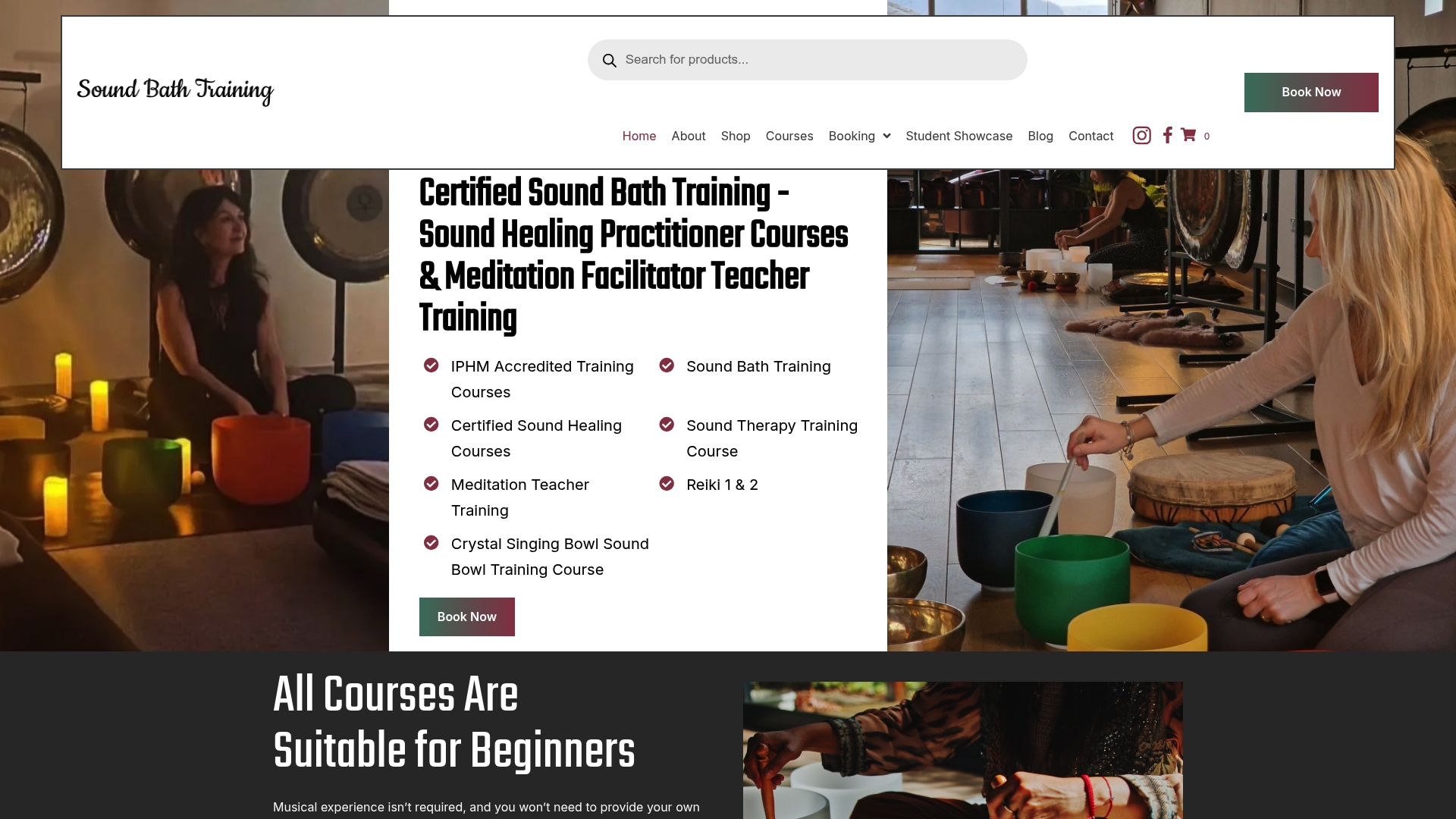
The 4-day accredited practitioner course includes sound therapy 1:1 training alongside group sound bath facilitation, giving you a complete professional skill set. A 3-day course option is also available for practitioners who want core accreditation across all instruments. Both courses are delivered in a tranquil studio environment designed to reflect the professional standard you will bring to your own clients.
FAQ
What is a sound bath in wellness services?
A sound bath is a guided therapeutic session in which participants are immersed in acoustic sound from instruments such as crystal singing bowls, gongs, and chimes. Sessions typically run 30–60 minutes and focus on nervous system stabilisation through sustained sound exposure.
How does sound healing work physiologically?
Sound healing works through mechanotransduction, where physical vibration in the 30–120 Hz range converts into neurological signals, and through brainwave entrainment, where 40 Hz stimulation activates gamma brain waves. Both mechanisms produce measurable changes in autonomic nervous system markers including heart rate variability.
What are the main benefits of sound therapy?
Sound therapy supports stress reduction, improved sleep, emotional wellbeing, and autonomic nervous system recovery. These benefits are amplified when sound is combined with breathwork, yoga, or other body-awareness practices.
Can sound baths replace clinical treatment?
Sound baths do not replace clinical treatment. They function as a supportive adjunct that enhances a client’s receptivity to primary therapies and provides a physiological reset between sessions.
What instruments should a practitioner start with?
Crystal singing bowls are the most practical starting point for most wellness settings. They produce clear, sustained tones, carry well in group environments, and are available at a range of price points. A pair of bowls in complementary keys is sufficient for a full introductory session.