
Sub-Total: $0.00
The role of sound in trauma healing: a 2026 guide
The role of sound in trauma healing: a 2026 guide
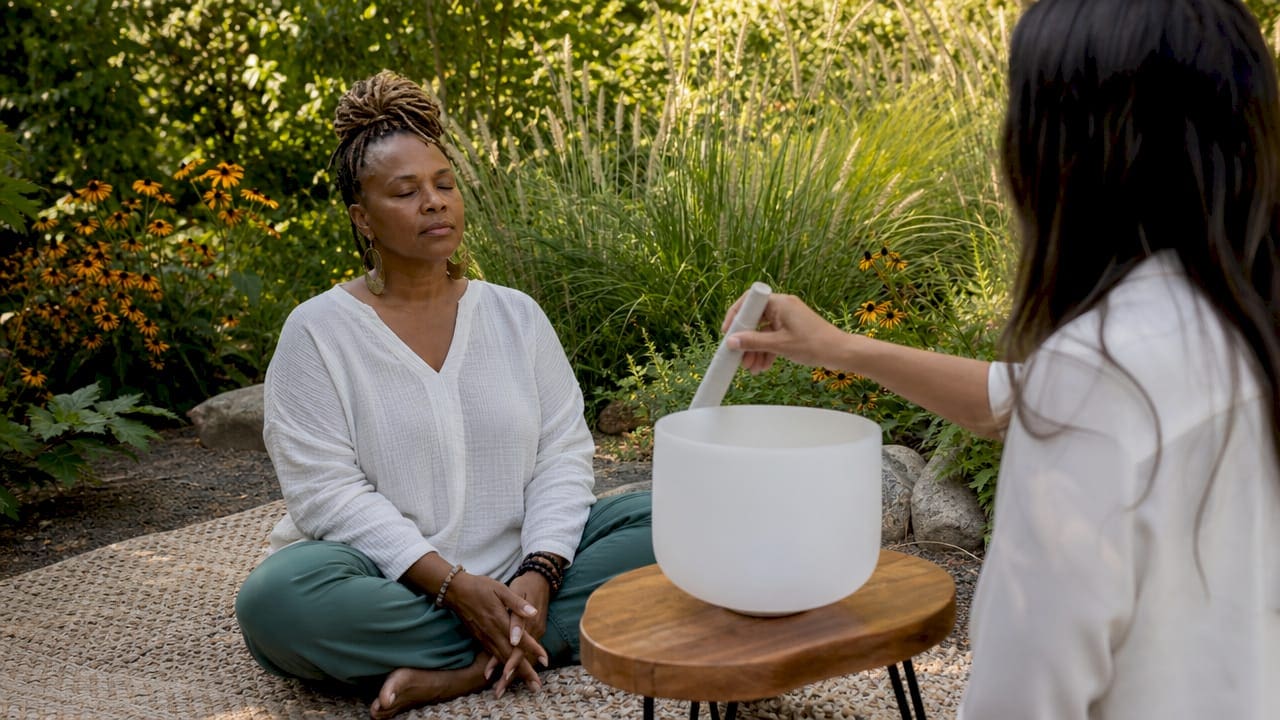
Sound trauma healing is the use of structured auditory stimuli to regulate the nervous system and support emotional integration after trauma. The formal clinical term for this field is sound-based therapy, which spans everything from music therapy delivered by trained clinicians to passive listening protocols and wellness practices such as sound baths. Recent 2025–2026 evidence reviews confirm that music-based interventions support emotional well-being through rhythmic auditory stimulation and neuroplasticity facilitation. The Safe and Sound Protocol, group singing, and crystal singing bowls each represent distinct approaches within this field, and understanding what separates them matters enormously for anyone exploring trauma recovery through sound.
What is the role of sound in trauma healing?
Sound works on trauma by giving the nervous system repeated cues of safety. This is not metaphor. Polyvagal Theory, developed by Dr Stephen Porges, explains that the autonomic nervous system constantly scans the environment for signals of threat or safety. The Safe and Sound Protocol uses filtered music that emphasises human speech frequencies to send precisely those safety signals through the auditory nerve directly to the vagus nerve. Clinical practice with this protocol reports improved emotional regulation and reduced anxiety and sensory defensiveness.
Trauma dysregulates the nervous system. People living with post-traumatic stress disorder often cycle between hyperarousal and shutdown, neither state being conducive to healing. Sound-based therapies are positioned as repeated nervous-system training toward cues of safety and connection, rather than as cognitive or insight-based therapies. That distinction matters. You do not need to talk about what happened. The body receives the signal first.
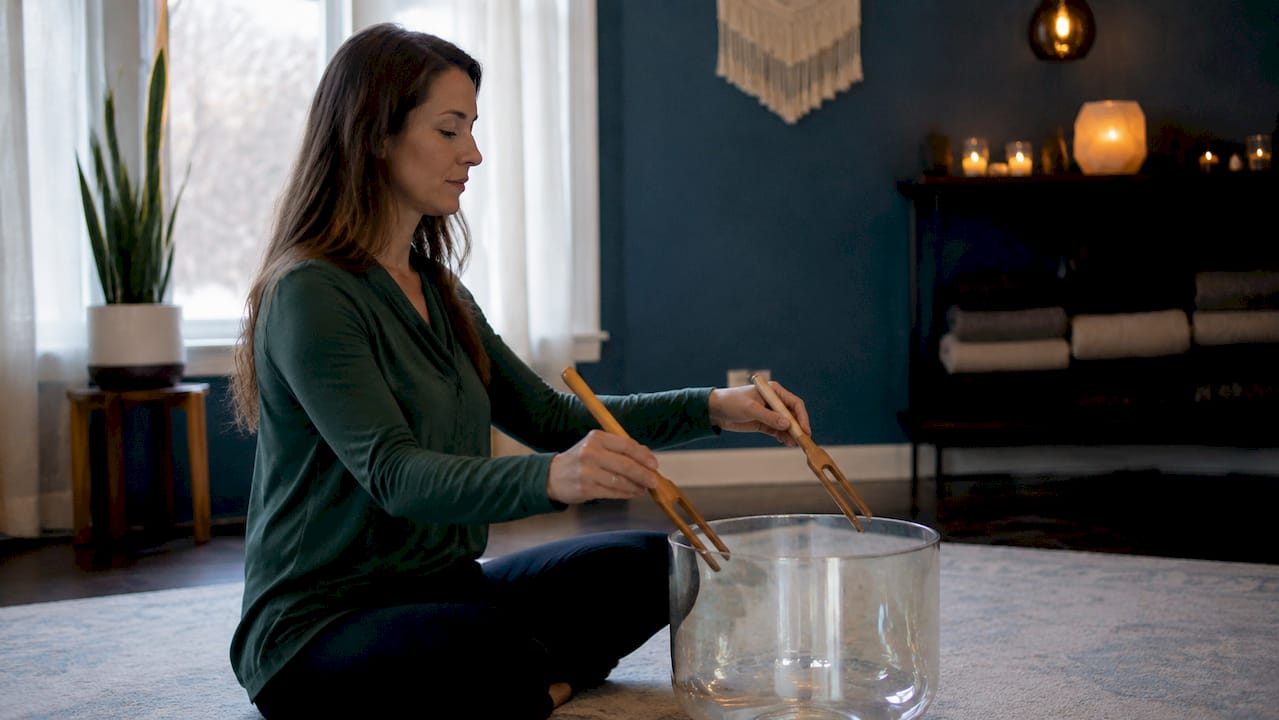
Neuroplasticity is the brain’s capacity to reorganise itself by forming new neural connections. Rhythmic auditory stimulation exploits this capacity directly. When the brain locks onto a predictable beat or tonal pattern, motor and emotional processing circuits activate and, with repetition, begin to rewire. This is why music therapy produces measurable gains in both emotional and motor recovery contexts.
How phonation and vagal tone connect
A systematic review of 23 trials involving 1,247 participants found that phonation-based protocols produce significant improvements in vagal tone and reductions in cortisol. Vagal tone is a measure of how well the vagus nerve regulates the body’s stress response. Higher vagal tone correlates with better emotional regulation, lower resting heart rate, and greater resilience to stress. Phonation simply means producing sound with the voice, whether through humming, chanting, or singing. The act of vocalising activates the vagus nerve directly, which is why even informal practices like group chanting produce measurable physiological change.
Pro Tip: If you are new to sound-based practices, start with five minutes of humming daily before exploring more structured protocols. Humming activates the vagus nerve with no equipment required and no risk of overwhelm.
Which sound healing techniques work best for trauma?
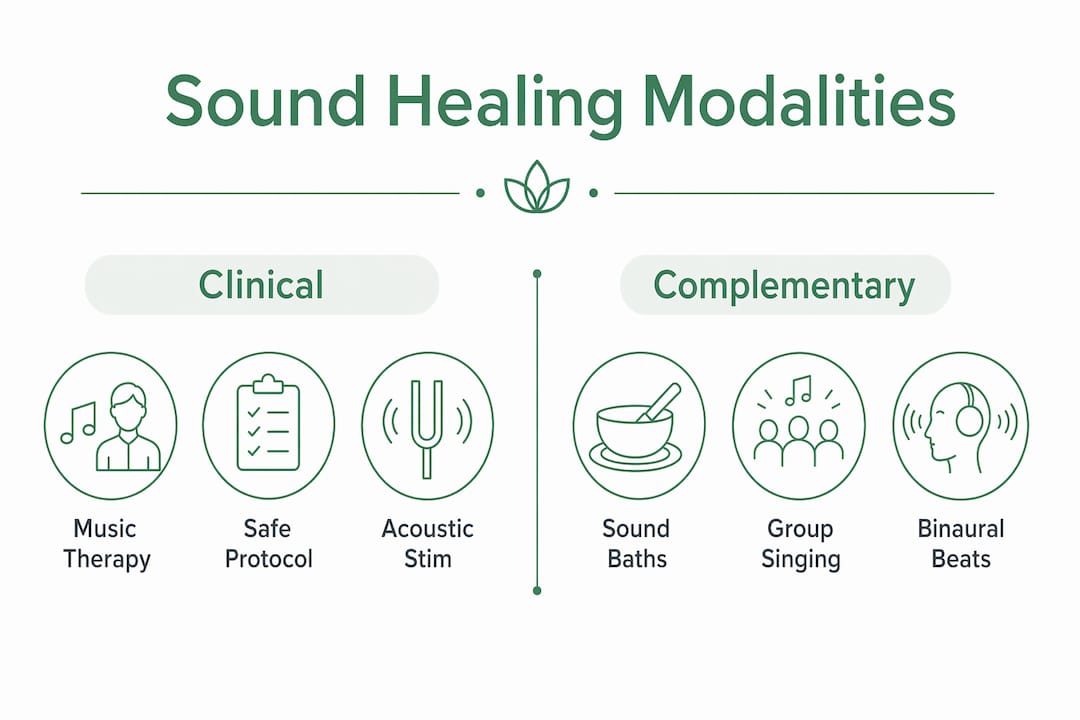
Three distinct categories of sound-based intervention exist, and they carry very different levels of evidence.
- Clinical music therapy is delivered by trained therapists who use live or recorded music within a structured therapeutic relationship. This category has the strongest evidence base and is the most appropriate for people with complex trauma or PTSD.
- Passive listening protocols such as the Safe and Sound Protocol involve listening to specially filtered recordings, typically under clinical supervision. Evidence supports their use for nervous system regulation and anxiety reduction.
- Wellness-oriented practices such as sound baths, binaural beats, and crystal singing bowl sessions are the most widely accessible. Evidence here is more variable, but these practices carry low risk and many people report meaningful benefits for stress relief and sleep.
Understanding which category a practice falls into helps you set realistic expectations. A sound bath is not a substitute for trauma therapy. It is, however, a genuinely useful tool for nervous system regulation between therapy sessions.
Group singing as a trauma recovery tool
Group singing creates physiological safety and supports affect regulation by moving trauma survivors from isolation toward belonging. Shared rhythm and linked breathing are foundational to this process. The body begins to regulate through co-regulation with others before any verbal narrative is required. This makes group singing particularly valuable in the early stages of trauma recovery, when talking about the experience may still feel unsafe.
Comparing key sound healing modalities
| Modality | Evidence level | Primary benefit | Best suited for |
|---|---|---|---|
| Clinical music therapy | Strong | Emotional and motor recovery | Complex trauma, PTSD |
| Safe and Sound Protocol | Moderate to strong | Nervous system regulation | Anxiety, sensory sensitivity |
| Group singing | Moderate | Affect regulation, belonging | Social isolation, early recovery |
| Sound baths | Emerging | Stress relief, sleep support | General wellness, adjunct support |
| Binaural beats | Mixed | Relaxation, focus | Mild stress, sleep |
A 2026 feasibility study found that dynamic acoustic stimulation using varied tones engages the autonomic nervous system more effectively than static single-frequency tones. This finding challenges the popular idea that a single “healing frequency” produces consistent therapeutic outcomes. The nervous system responds better to acoustic variety that mirrors the natural complexity of a safe environment.
Pro Tip: When choosing a therapeutic soundscape for trauma support, look for sessions that vary in tone, rhythm, and dynamics rather than holding a single frequency throughout.
What are the benefits and limitations of sound therapy for trauma?
The evidence for sound-based therapy in trauma recovery is genuinely promising, but it requires careful interpretation. The benefits with the strongest support include:
- Anxiety reduction: Multiple clinical trials and systematic reviews confirm reductions in self-reported anxiety following structured sound interventions.
- Improved emotional regulation: Both music therapy and passive listening protocols show consistent effects on affect regulation across trauma populations.
- Stress hormone reduction: The phonation meta-analysis of 1,247 participants demonstrated significant cortisol reductions, a direct marker of physiological stress relief.
- Sleep improvement: Sound baths and binaural beats are associated with improved sleep quality, though large-scale randomised controlled trials remain limited.
- Social connection: Group singing specifically addresses the isolation that frequently accompanies trauma.
The limitations are equally real. A randomised controlled trial found that higher-frequency music therapy sessions produced greater stress symptom reduction than lower-frequency sessions, but not all PTSD symptoms showed clear change. More sessions help, but they do not guarantee comprehensive symptom remission. The field also lacks large-scale randomised controlled trials for many popular practices, which limits the certainty of conclusions.
“Sound therapy may be best understood as an adjunct to overall wellness, with mixed evidence for standalone effects especially for broad healing claims.” — Cedars-Sinai
Cedars-Sinai cautions against marketing claims that listening to specific frequencies will balance energy or clear chakras. These claims are not supported by current scientific evidence. Sound therapy varies enormously by modality, and the evidence quality varies just as much. Treating all sound practices as equivalent is the most common mistake people make when exploring this field. For a clear overview of what the evidence does and does not support, the types of sound healing frequencies guide from Soundbathtraining offers a grounded starting point.
How can you safely apply sound healing practices for trauma?
Safety in sound-based trauma work follows one core principle: regulation before catharsis. Clinically informed trauma soundwork emphasises starting with predictable, regulation-supporting sounds before inviting deeper emotional processing. Pushing too quickly toward intense or emotionally activating sound experiences can overwhelm a nervous system that is not yet stable enough to process what arises.
Practical safety considerations include:
- Volume: Keep sessions at a comfortable volume, particularly for trauma survivors with sensory sensitivity. Loud or sudden sounds can trigger hyperarousal.
- Session length: Start with shorter sessions of 15–20 minutes and extend gradually as tolerance builds.
- Headphone use: Binaural beats require headphones to work, but headphones can feel isolating or triggering for some trauma survivors. Offer alternatives where possible.
- Pacing: Allow pauses within sessions. The nervous system needs time to integrate what it receives.
- Non-linear responses: Emotional responses during sound sessions are not always linear. Tears, laughter, or unexpected memories are normal. These are not signs that something has gone wrong.
Practitioners should also be aware of sound healing contraindications including epilepsy, certain cardiac conditions, and pregnancy, where specific frequencies or instruments require additional caution. The goal is always to support the nervous system, not to push it beyond its current capacity.
Pro Tip: If a sound session feels activating rather than settling, open your eyes, place your feet flat on the floor, and focus on slow exhales. Grounding the body interrupts the stress response before it escalates.
Key takeaways
Sound-based therapy works because it trains the nervous system toward safety through auditory input, with the strongest evidence coming from clinical music therapy, the Safe and Sound Protocol, and phonation-based practices.
| Point | Details |
|---|---|
| Nervous system regulation | Sound provides direct cues of safety via the vagus nerve, reducing anxiety and cortisol. |
| Three evidence tiers | Clinical music therapy, passive listening protocols, and wellness practices each carry different evidence levels. |
| Regulation before catharsis | Always start with predictable, gentle sounds before moving to emotionally activating experiences. |
| Adjunct, not cure | Sound therapy produces real benefits but works best alongside broader therapeutic support. |
| Frequency claims need scrutiny | Dynamic acoustic variation outperforms static single-frequency tones; chakra-balancing claims lack scientific support. |
Sound therapy and trauma: what the evidence actually tells us
I have spent years watching people arrive at sound sessions carrying the weight of experiences they cannot yet put into words. What strikes me most is not the dramatic releases, though those happen. It is the quieter moments when someone’s breathing slows for the first time in years, or when a person who has been braced against the world finally lets their shoulders drop.
The science is catching up to what practitioners have observed for a long time. But I want to be honest about where the evidence still has gaps. The field is not yet at the point where we can prescribe specific frequencies for specific trauma presentations the way a GP prescribes medication. Anyone telling you otherwise is overstating what we know.
What I find genuinely exciting is the research on dynamic acoustic stimulation and the phonation meta-analysis. These studies point toward mechanisms that are real, measurable, and reproducible. They also confirm something I believe deeply: the body heals through felt safety, not through information. Sound delivers that safety in a way that bypasses the thinking mind entirely.
My caution is this. Sound therapy is not a shortcut around the harder work of trauma recovery. The role of intention in sound healing matters enormously. Showing up to a sound bath as a passive consumer is very different from engaging with it as a deliberate practice within a broader healing framework. The people I see make the most progress are those who treat sound as one thread in a larger tapestry of support, not the whole cloth.
— Sarah
Soundbathtraining: accredited training for sound healing practitioners
Practitioners and holistic therapists who want to apply sound healing techniques with confidence and clinical grounding have a clear next step available.
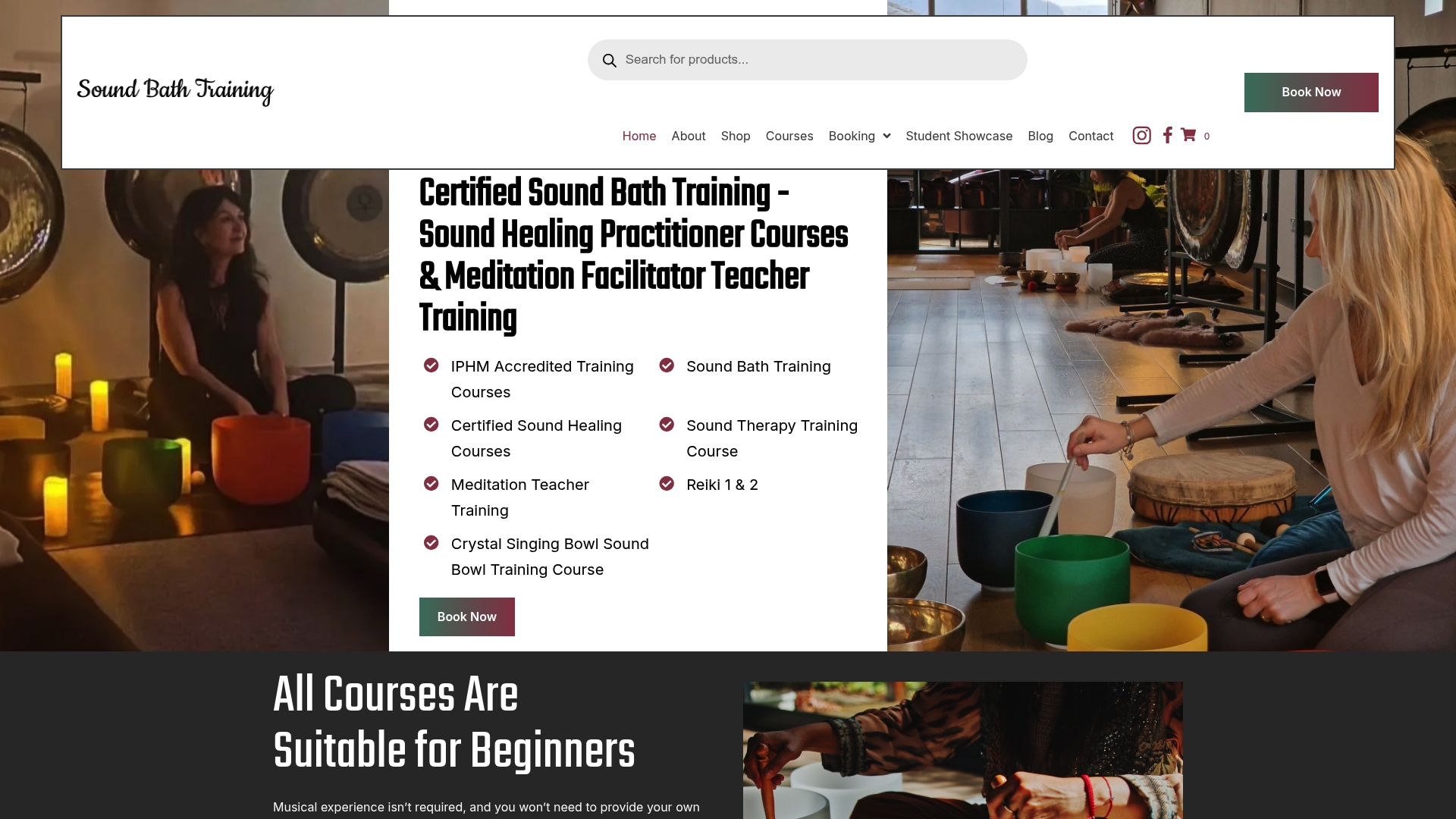
Soundbathtraining offers IPHM accredited sound healing practitioner training in small groups of no more than three people, with hands-on 1:1 sessions available. Every participant works with a full set of crystal singing bowls from the start, with no prior musical background required. The programme covers all instruments alongside sound therapy principles, making it directly relevant for those working with trauma-affected clients. The 4-day accredited practitioner course includes 1:1 sound therapy training and is designed for therapists, yoga teachers, and wellness professionals who want to integrate evidence-informed sound practices into their work.
FAQ
What is sound trauma healing?
Sound trauma healing is the therapeutic use of structured auditory stimuli to regulate the nervous system and support emotional recovery after trauma. It draws on mechanisms including Polyvagal Theory, neuroplasticity, and vagal tone improvement.
Does sound therapy actually work for PTSD?
Clinical music therapy and passive listening protocols such as the Safe and Sound Protocol show consistent evidence for reducing anxiety and improving emotional regulation in trauma populations. A randomised controlled trial confirmed that session frequency influences stress outcomes, though not all PTSD symptoms respond equally.
What is the difference between a sound bath and music therapy?
Music therapy is delivered by a trained clinician within a structured therapeutic relationship and carries the strongest evidence base. A sound bath is a wellness practice involving immersive sound from instruments such as crystal singing bowls, with emerging evidence for stress relief and sleep support but less clinical rigour.
Are healing frequencies scientifically proven?
Cedars-Sinai and recent research both caution that broad claims about specific frequencies balancing energy or clearing chakras are not supported by current evidence. Dynamic acoustic variation, rather than static single-frequency tones, shows stronger effects on autonomic nervous system regulation.
How often should I attend sound healing sessions for trauma support?
A randomised controlled trial found that higher-frequency attendance produces greater stress symptom reduction than lower-frequency attendance. Starting with weekly sessions and adjusting based on your nervous system’s response is a reasonable approach, always within a broader trauma support framework.