
Sub-Total: $0.00
Why sound therapy is the yoga trend of 2026
Why sound therapy is the yoga trend of 2026
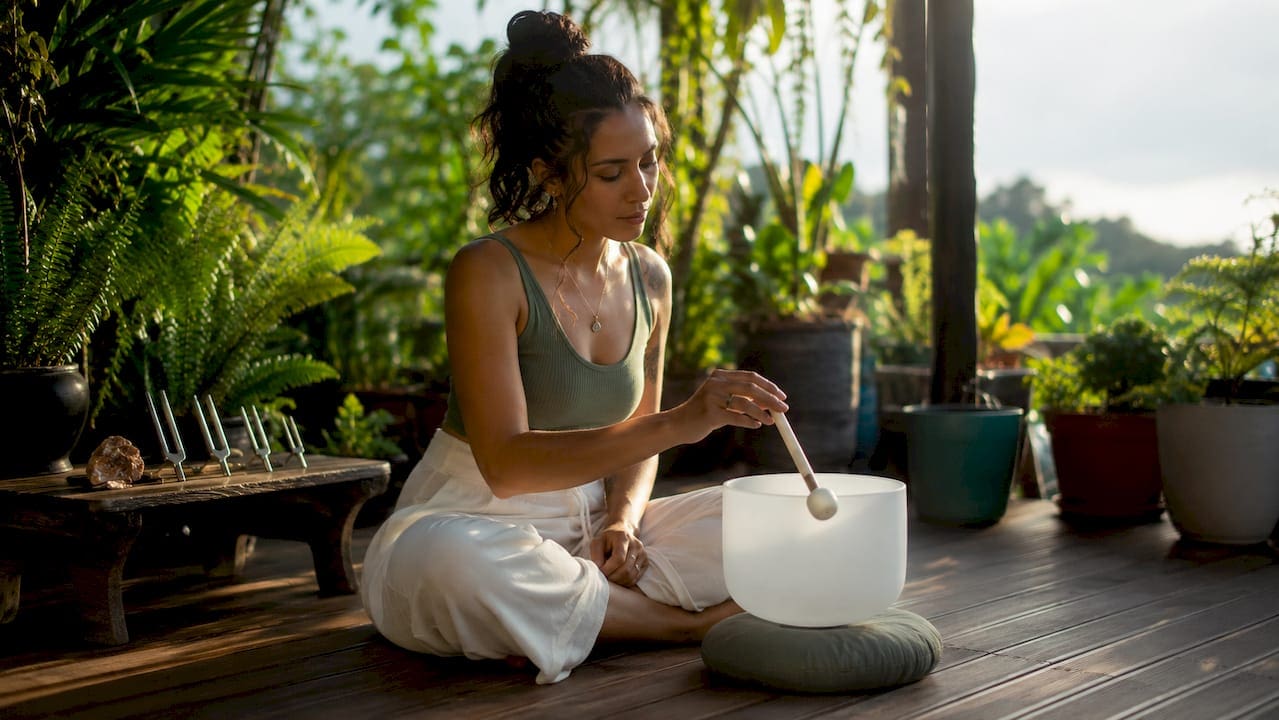
Sound therapy yoga is defined as the practice of combining vibrational sound techniques with yoga postures, breathwork, and meditation to deepen relaxation and regulate the nervous system. The why sound therapy yoga trend has gained serious traction in 2026 because it delivers measurable results that traditional yoga alone sometimes cannot. Mood improvements after singing bowl sessions are statistically significant, with reductions in tension, anger, fatigue, and depressed mood all documented in peer-reviewed research. Instruments like Tibetan singing bowls, crystal bowls, and tuning forks are now standard features at yoga retreats, wellness studios, and restorative classes worldwide. The formal term for this practice is vibroacoustic or sound-enhanced yoga, and understanding both names helps you navigate courses, retreats, and research with confidence.
Why does sound therapy deepen the yoga experience?
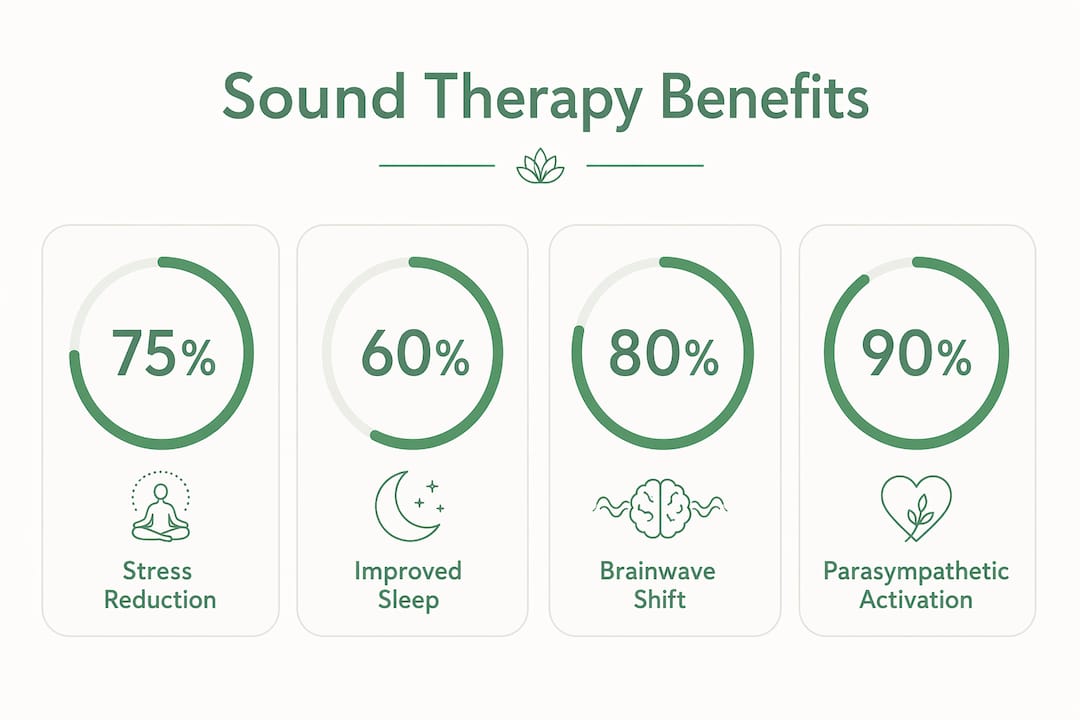
Sound therapy deepens yoga by activating the parasympathetic nervous system, the branch responsible for rest, digestion, and cellular repair. When specific sound frequencies reach the body through air and bone conduction, they trigger a physiological shift away from the stress response. Heart rate, blood pressure, and brainwave patterns all respond measurably, which is why sound-enhanced yoga produces a deeper rest state than silent practice for many people.
“Sound provides a non-cognitive anchor that transitions the nervous system during yoga practice, bypassing the mental effort that often blocks deep relaxation.”
The most telling evidence involves brainwave entrainment. Sound baths shift the brain from beta waves (active thinking) into alpha, theta, and even delta states, the same territory accessed in deep meditation and sleep. This directly addresses what practitioners call the “savasana gap.” Sound baths address racing thoughts by giving the mind a neutral acoustic object to rest on, rather than demanding it go blank. For anyone who has ever lain in savasana mentally composing a shopping list, this distinction matters enormously.
The role of ambient sound in yoga is not decorative. It is functional. Sustained tones from crystal bowls or gongs create a continuous frequency field that the nervous system reads as safe, allowing the body to release muscular holding patterns that breathwork alone may not reach. This is why sound healing yoga retreats have become popular as destinations rather than add-ons: participants leave with a physiological reset, not just a pleasant memory.
Is sound therapy more accessible than traditional yoga techniques?
Sound therapy is the most accessible entry point in modern wellness because it requires nothing from the participant except presence. No poses to master, no breath ratios to count, no spiritual framework to adopt. Receiving sound needs no mastery of poses or breathwork, which makes it genuinely inclusive for people who feel excluded by the physical demands of conventional yoga.
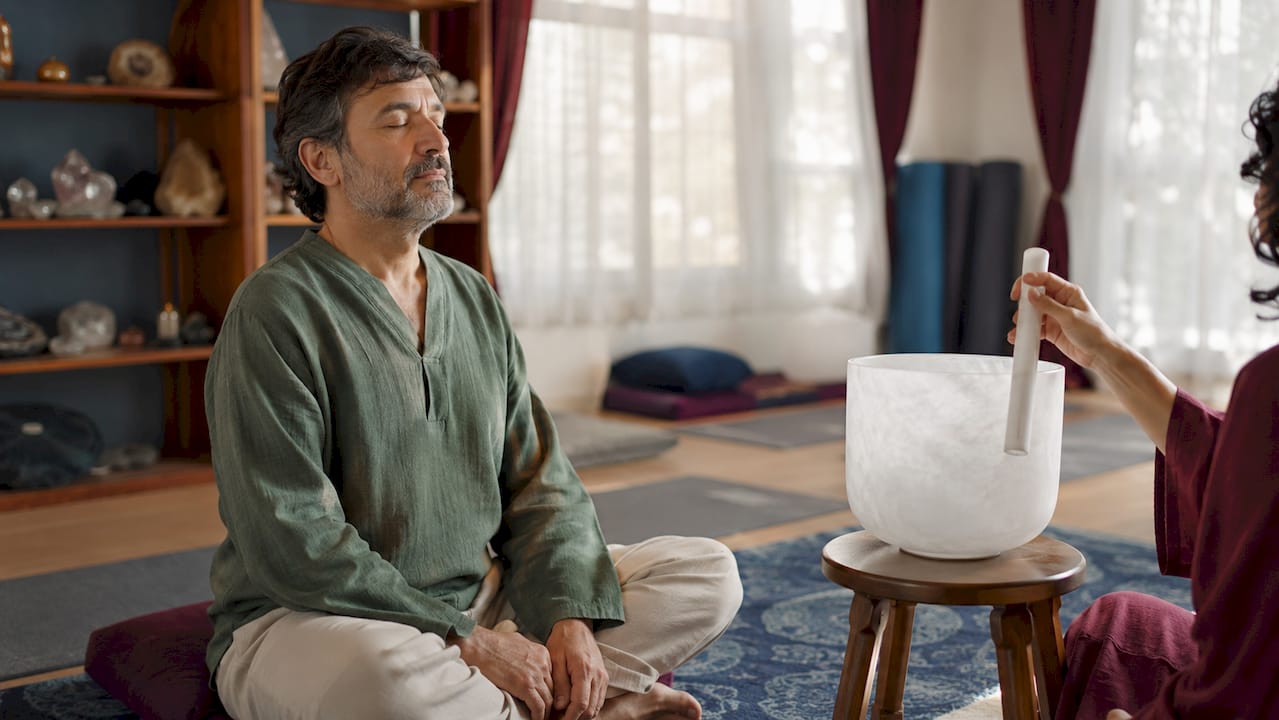
This accessibility explains why sound healing yoga retreats are popular with audiences well beyond the traditional yoga demographic. Older adults with limited mobility, people recovering from injury, and those with anxiety disorders that make breathwork difficult all find sound therapy a viable path into the broader yoga experience. The practice is passive by design. You lie down, close your eyes, and receive.
Consider what this means practically:
- No physical prerequisites. Participants in wheelchairs, those with chronic pain, and complete beginners all access the same depth of experience.
- No spiritual gatekeeping. Sound therapy does not require belief in chakras, meridians, or any specific cosmology to produce physiological results.
- No performance anxiety. There is no wrong way to receive sound, which removes the self-consciousness that keeps many people from returning to yoga classes.
- Immediate effect. Most participants notice a shift in their nervous system within the first ten minutes of a session, unlike meditation techniques that require weeks of consistent practice to produce reliable results.
Pro Tip: If you are introducing sound therapy to a yoga class for the first time, frame it simply as “a listening practice.” Avoid over-explaining the science or the history. Let the experience speak first.
How do singing bowls, tuning forks, and vocal toning each work?
Different sound tools produce distinct physiological effects, and understanding the differences helps you choose the right technique for the right moment in a yoga session.
| Sound Method | Primary Mechanism | Best Used For |
|---|---|---|
| Crystal singing bowls | Sustained ambient frequency via air conduction | Savasana, yin holds, yoga nidra |
| Tibetan singing bowls | Overtone-rich tones via air and surface contact | Transitions between postures, opening sequences |
| Tuning forks | Targeted vibration via bone conduction | Specific body areas, nervous system reset points |
| Vocal toning | Internal resonance through bony cavities | Full-body grounding, group cohesion |
| Vibroacoustic tables | Direct mechanical vibration through the body | Deep nervous system regulation, clinical settings |
Tuning forks deserve particular attention. They induce what practitioners describe as a still point in neural activity, a brief suspension that allows the nervous system to reset and form new stress-response pathways. This is not metaphor. The fork’s precise frequency creates a measurable pause in habitual neural firing, which is why a single tuning fork applied near the ear or to the sternum can produce an immediate sense of stillness.
Vocal toning produces the strongest full-body effect of any passive or active sound method. Humming increases nasal nitric oxide, a molecule that dilates blood vessels and activates the parasympathetic nervous system. The internal resonance travels through bony cavities in the skull, chest, and pelvis, creating a grounding effect that external sound simply cannot replicate. This is why vocal toning activates vestibular and proprioceptive systems in ways that passive listening does not.
Vibroacoustic therapy works through both bone conduction and auditory channels simultaneously, producing neural effects distinct from ambient listening. Studios investing in vibroacoustic tables or mats are offering something genuinely different from a standard sound bath, and the distinction is worth communicating clearly to students.
Pro Tip: When selecting singing bowls for your practice, prioritise tone quality over visual appeal. A bowl that produces a clean, sustained fundamental tone will serve your students better than one chosen for its colour or size.
Which yoga styles benefit most from sound integration?
Restorative yoga, yin yoga, and yoga nidra benefit most from sound integration because all three prioritise stillness and receptivity over movement. These styles create the physical conditions that allow sound to work most effectively: the body is supported, the muscles are passive, and the nervous system is already moving toward rest.
Sound acts as what one source describes as a non-directive teacher in yoga, providing a neutral sonic container that returns the responsibility of the internal experience to the student. This is philosophically aligned with the goals of yin and nidra practice, where the teacher’s role is to create conditions rather than direct outcomes.
Practical integration strategies for yoga teachers include:
- Use sound to bridge active to passive. A brief bowl strike at the transition from warrior sequences to floor work signals the nervous system that the mode is changing. This is more effective than a verbal instruction alone.
- Respect the silence. Effective sound therapy balances silence and sound for best relaxation. Continuous sound becomes auditory wallpaper. The pause between tones is where the nervous system integrates.
- Match instrument to posture duration. Long yin holds of three to five minutes pair well with sustained bowl tones. Shorter restorative transitions suit single strikes or brief toning.
- Avoid layering too many instruments simultaneously. Cognitive fatigue sets in when the auditory system is asked to process competing frequencies. One instrument at a time, played with intention, outperforms a full percussion ensemble.
For teachers planning a full restorative yoga sound bath, the sequencing of sound is as important as the sequencing of postures. Opening with grounding low tones, moving through mid-range frequencies during the session, and closing with high, clear tones mirrors the arc of a well-structured class.
Key takeaways
Sound therapy deepens yoga by activating the parasympathetic nervous system through vibrational frequencies, producing measurable shifts in brainwaves, heart rate, and mood that silent practice alone rarely achieves.
| Point | Details |
|---|---|
| Physiological basis | Sound frequencies shift brainwaves from beta to alpha and theta states, enabling deep rest during yoga. |
| Accessibility advantage | Sound therapy requires no physical skill or spiritual belief, making yoga more inclusive for diverse participants. |
| Tool selection matters | Singing bowls, tuning forks, and vocal toning each produce distinct effects; match the tool to the yoga style and moment. |
| Silence is therapeutic | Overloading a session with continuous sound causes cognitive fatigue; the pauses between tones carry therapeutic weight. |
| Best-fit yoga styles | Restorative, yin, and yoga nidra benefit most from sound integration due to their emphasis on stillness and receptivity. |
What i have learned after years of working with sound in yoga spaces
The most surprising thing I have observed is how long it takes the body to trust sound. First-time participants often describe feeling restless or even mildly agitated during their initial session. The body’s adaptation to sound requires repeated exposure before the nervous system fully surrenders to the acoustic environment. Teachers who do not prepare students for this experience risk losing them before the real benefit arrives.
The second thing I have noticed is that the wellness industry has developed a tendency to over-promise. Framing sound therapy primarily through the lens of trauma healing or spiritual transformation can actually obscure what it does most reliably: produce deep physical relaxation and build nervous system resilience. Overemphasis on trauma in marketing sound therapy distracts from the actual experience. The most effective practitioners I know lead with the body, not the narrative.
The third observation is about silence. Teachers new to sound integration almost always use too much of it, filling every moment with tone because silence feels uncomfortable. The willingness to let a bowl ring out and then wait in the quiet is a skill that takes time to develop. That quiet is not empty. It is where the work happens.
Sound therapy in yoga is not a trend that will fade when the next wellness format arrives. The physiological mechanisms are real, the accessibility is genuine, and the demand from students is consistent. What will separate effective practitioners from enthusiastic amateurs is the depth of their training and their willingness to let the sound do the work rather than performing it.
— Sarah
Ready to teach sound therapy alongside your yoga practice?
If this article has confirmed what you have been sensing in your own practice, the next step is formal training. Soundbathtraining offers IPHM accredited courses designed for yoga teachers, wellness practitioners, and complete beginners alike. Sessions run in small groups of no more than three participants, so every student works with a full set of crystal bowls from day one. There is no waiting for your turn and no prior musical background required.
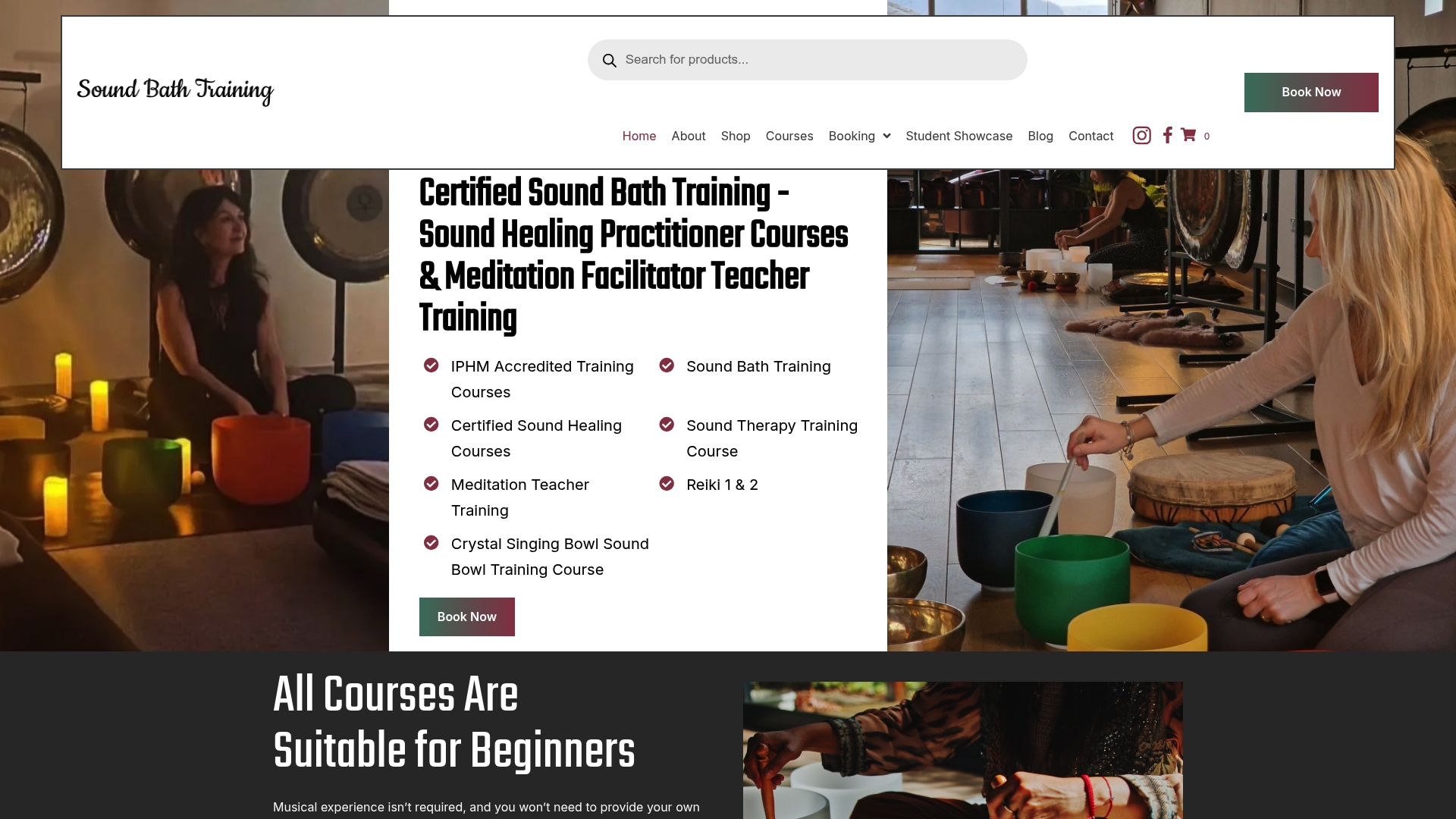
The 4-day accredited practitioner course covers all instruments alongside personalised sound therapy coaching, giving you the practical confidence to integrate sound into yoga classes immediately. If you prefer a shorter commitment, the 3-day foundational course builds the core skills yoga teachers need. Browse all available dates and formats at Soundbathtraining.
FAQ
What is sound-enhanced yoga?
Sound-enhanced yoga, also called sound therapy yoga or vibroacoustic yoga, combines traditional yoga postures and meditation with live sound frequencies from instruments such as singing bowls, tuning forks, or gongs to deepen nervous system relaxation.
Does sound therapy actually reduce stress during yoga?
Yes. A 2017 study in the Journal of Evidence-Based Integrative Medicine found statistically significant reductions in tension, anger, fatigue, and depressed mood following singing bowl sessions, confirming measurable physiological benefits beyond placebo.
Which yoga styles work best with a sound bath?
Restorative yoga, yin yoga, and yoga nidra are the most compatible styles because their emphasis on stillness and supported postures allows participants to receive sound passively and fully. Active vinyasa classes are less suited to continuous sound integration.
How often should you experience sound therapy in yoga to feel the benefits?
Repeated exposure produces the strongest results. The nervous system adapts to the acoustic environment over multiple sessions, with most practitioners reporting noticeably deeper relaxation by their third or fourth session compared to their first.
Can yoga teachers add sound therapy without musical training?
Yes. Sound therapy for yoga does not require musical ability. Instruments like crystal singing bowls are played by feel and intention rather than musical notation, and accredited training programmes such as those offered by Soundbathtraining require no prior musical background for enrolment.