
Sub-Total: $0.00
Why sound healing is a fulfilling career in 2026
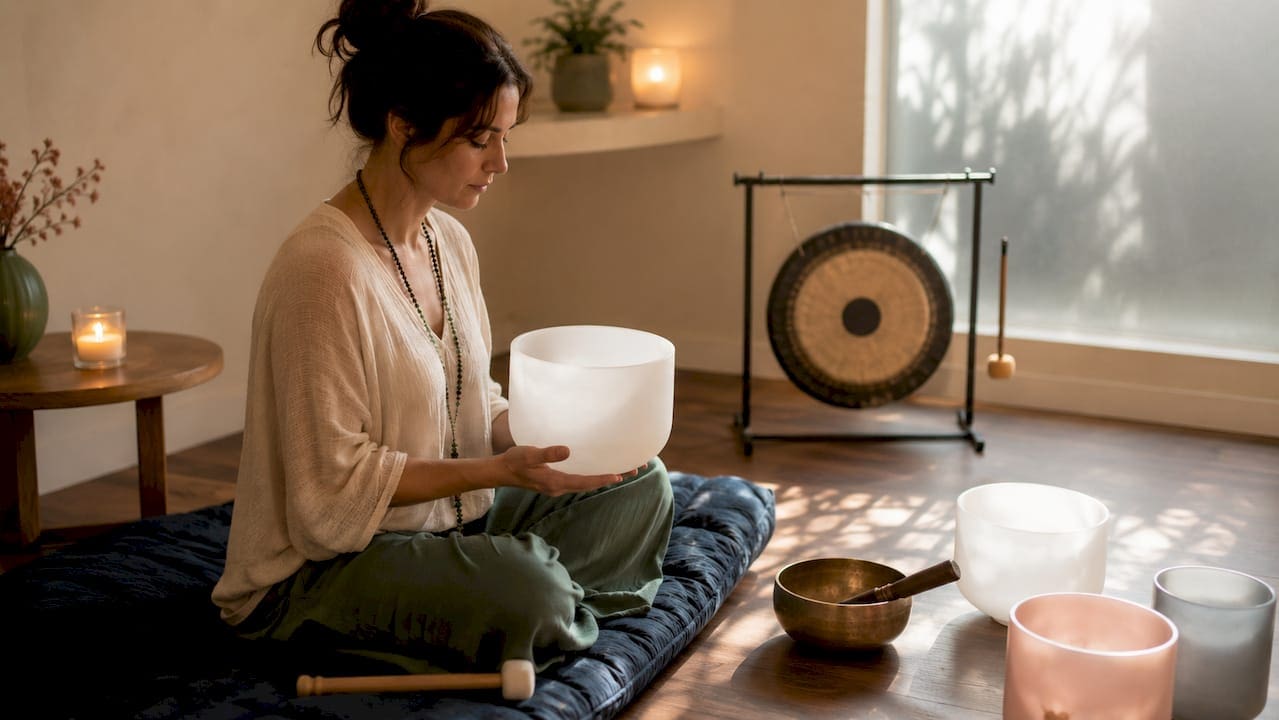
Why sound healing is a fulfilling career in 2026
Sound healing is defined as the therapeutic use of sound and vibration to promote deep relaxation, emotional balance, and holistic wellness. It is one of the fastest-growing specialisms within the broader wellness industry, and for practitioners who choose it deliberately, it consistently ranks among the most personally rewarding careers available. The global sound healing market is valued at approximately US$3.2 billion in 2026, with projections reaching US$8.68 billion by 2035. Instruments such as crystal singing bowls, gongs, and tuning forks sit at the centre of this practice, and accredited certifications from bodies like IPHM are now the standard entry point for serious practitioners.
Why sound healing is a fulfilling career choice
Sound healing delivers fulfilment on two levels simultaneously: the practitioner’s own growth and the visible transformation of clients. Few careers offer that dual return on a single session. The practice draws on the mind-body connection in a way that is both scientifically grounded and deeply personal, which is why so many people who enter the field describe it as a calling rather than a job.
The personal growth dimension is real and measurable. Practitioners who work regularly with singing bowls, gongs, and Tibetan instruments report heightened self-awareness, reduced personal stress, and a stronger sense of purpose. That is not incidental. It is built into the work itself.
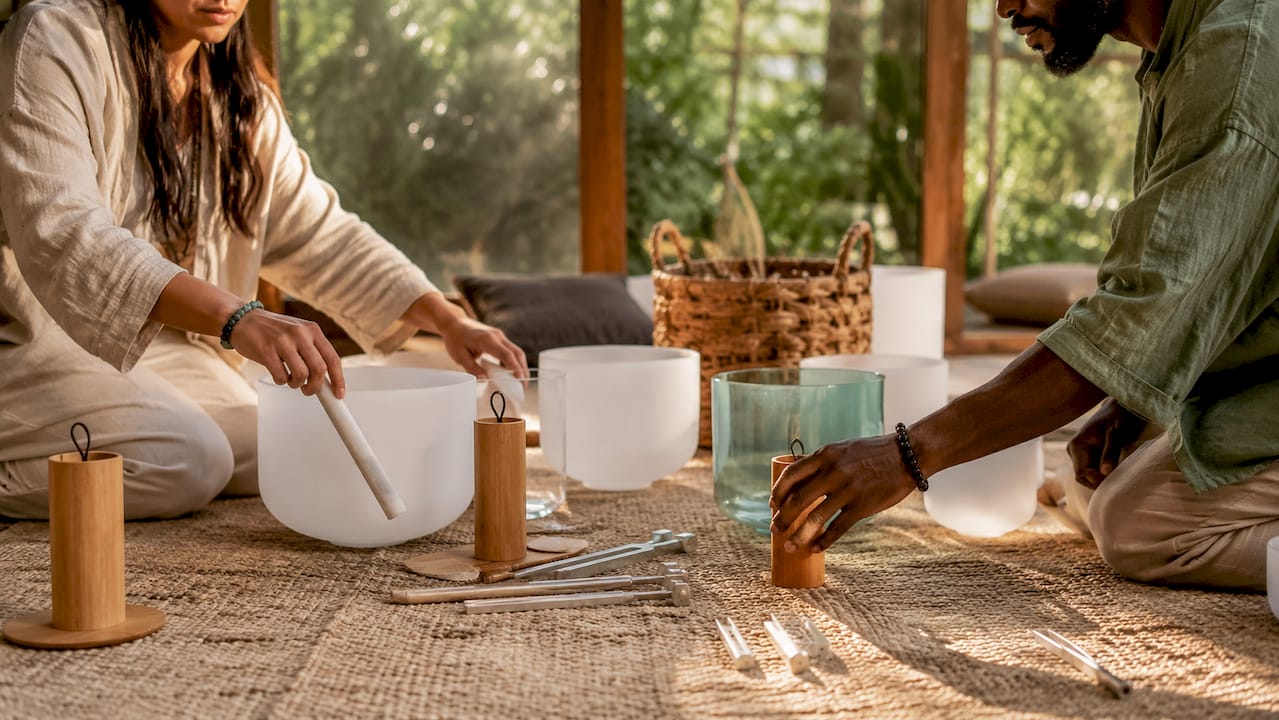
Client impact adds a second layer of meaning. When someone leaves a session with reduced anxiety, clearer thinking, or a sense of emotional release they could not access through talking therapies, the practitioner feels that result directly. That feedback loop is rare in most professions and is central to understanding why sound healing as a career path holds such long-term appeal.
What does the science say about sound healing’s effects?
Sound healing supports emotional release, nervous system recalibration, and provides non-verbal therapeutic tools that clients increasingly seek. This is not simply anecdotal. The physiological mechanisms are well-documented: sustained tonal frequencies influence brainwave states, shifting listeners from beta into alpha and theta patterns associated with deep rest and creativity.
Parasympathetic nervous system activation is the key physiological outcome. When the body shifts out of fight-or-flight and into rest-and-digest, clients experience reduced cortisol, slower heart rate, and muscular release. Practitioners who understand this mechanism can design sessions with genuine therapeutic intent rather than simply playing instruments.
“Certification is more than qualification; it embodies ethical practice and relational intelligence, elevating practitioner presence.” — blessings2you.com
Mastering harmonic layering, frequency relationships, and safety protocols separates professional sessions from casual practice. A trained practitioner knows which frequencies are contraindicated for certain conditions, how to read a room’s energy, and when to hold silence. That depth of skill creates career satisfaction that simply playing bowls for relaxation cannot replicate.
Pro Tip: Build your own daily sound practice before you work with clients. Practitioners who use their instruments personally develop a sensitivity to frequency that no textbook can teach.
How is the sound healing job market evolving for 2026?
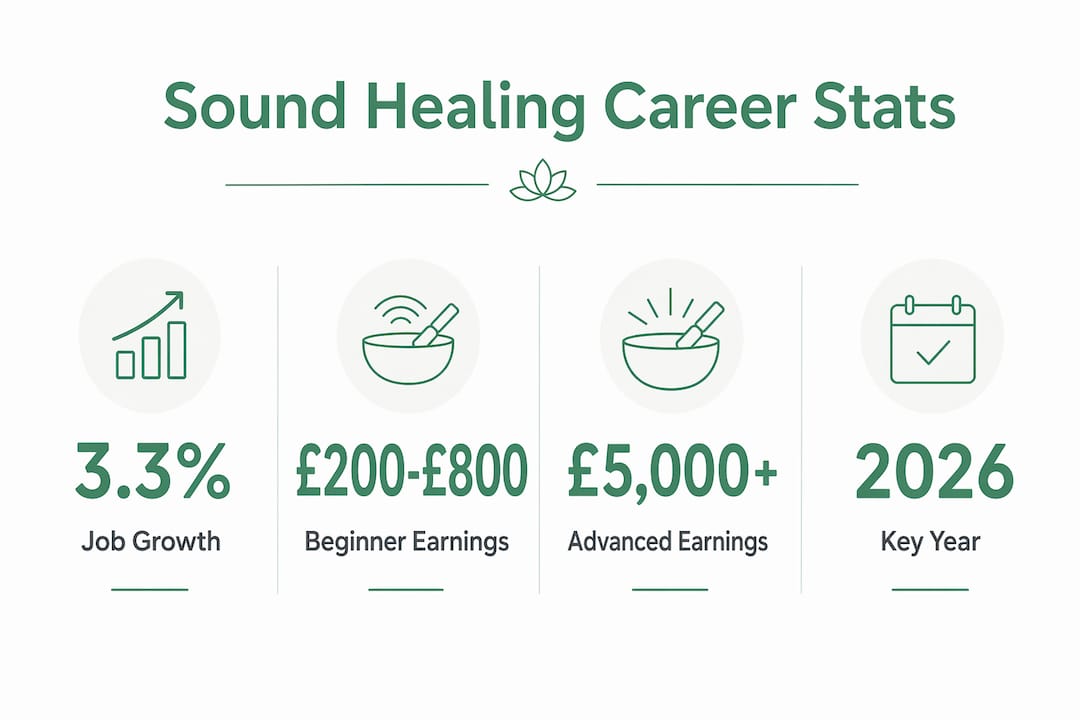
The numbers tell a clear story. Employment in sound healing is expected to grow by 3.3% through 2034, driven primarily by ageing populations in care facilities and the mainstreaming of wellness culture. That growth rate is steady rather than spectacular, which is actually a positive signal. It indicates a maturing market with sustainable demand rather than a trend-driven spike.
Income potential varies significantly by experience and business model. The figures below reflect current market conditions:
| Experience Level | Monthly Earnings | Primary Income Sources |
|---|---|---|
| Beginner | £200–£800 | Private sessions, community events |
| Intermediate | £1,000–£3,000 | Group sound baths, workshops, retreats |
| Advanced | £5,000+ | Corporate wellness, luxury retreats, digital courses |
Monthly earnings range from £200–£800 for beginners up to £5,000 or more for advanced practitioners. That spread reflects the importance of business development alongside therapeutic skill.
Start-up costs are accessible compared to most wellness businesses. A singing bowl practice requires £500–£1,500 for a beginner setup and £3,000–£10,000 or more for a professional studio configuration. For context, a physiotherapy clinic or yoga studio typically requires ten times that investment before the first client walks through the door.
Emerging income streams are reshaping sound healing job market opportunities in 2026 specifically:
- Corporate wellness contracts: Businesses now budget for stress reduction programmes, and certified practitioners are the preferred providers.
- Luxury retreat partnerships: Spas and retreat centres actively seek practitioners with verified credentials.
- Digital content and online courses: Recorded sound journeys and training programmes generate passive income alongside live work.
- Care home and NHS-adjacent referrals: The ageing population driver is creating consistent, repeat-booking opportunities in residential settings.
Does certification actually matter for a sound healing career?
Certification shifts practitioners from casual playing to ethically paced, client-safe sessions, improving client trust and professional standing. That distinction matters enormously when you are trying to secure contracts with corporate clients or luxury venues. Both sectors prioritise certified practitioners for safety and liability reasons.
The pathway from interested beginner to working professional follows a clear sequence:
- Choose an accredited training programme. Look for IPHM, IPHM, or equivalent accreditation. This ensures your qualification is recognised by insurers and employers.
- Complete hands-on instrument training. Theory alone is insufficient. You need supervised practice with crystal bowls, gongs, and other instruments to develop genuine competence.
- Obtain professional insurance. No reputable venue will book an uninsured practitioner. Insurance is non-negotiable from day one.
- Build a supervised practice portfolio. Document your sessions, gather client feedback, and refine your approach before charging full rates.
- Join a professional network. Connections made during training often become referral sources, collaboration partners, and peer support systems.
Corporate wellness and luxury retreats prioritise certified practitioners for safety and stress reduction science. This is the clearest argument for formal training over self-teaching. The highest-paying sectors will simply not engage with uncertified practitioners, regardless of talent.
International training hubs in the UK, US, and Australia have established strong reputations. UK-based programmes benefit from proximity to a wellness market that has embraced sound healing particularly strongly, with London, Bristol, and Edinburgh all showing consistent demand for qualified practitioners.
Pro Tip: When choosing a training course, prioritise small group sizes over large cohorts. A 1:1 or small group format means you spend the majority of your training time actually playing instruments, not watching someone else do it.
How do successful sound healers build sustainable careers?
Successful practitioners build diversified lifestyle businesses balancing private sessions, group sound baths, and digital offerings for sustained income. One-off events alone cannot support a full-time career. The practitioners who thrive financially are those who treat sound healing as a business from the outset, not as a hobby that occasionally generates income.
Visibility and personal branding are the factors that separate struggling and successful sound healers, even above technical skill. A practitioner with average technique and strong community presence will consistently out-earn a technically gifted practitioner who is invisible online. This is uncomfortable for many people drawn to healing work, but it is the reality of building a client base.
Practical strategies that work include:
- Consistent social media presence: Short video clips of sound baths on Instagram and YouTube build trust and attract new clients organically.
- Local partnerships: Yoga studios, wellness centres, and complementary therapists are natural referral partners. Offer a free taster session to build those relationships.
- Email list building: A small, engaged email list of past clients is worth more than thousands of social media followers who have never experienced your work.
Sound healing careers thrive on consistency and community trust, often starting part-time and evolving with experience. Starting part-time is not a compromise. It is the sensible approach. It allows you to build your client base, refine your sessions, and develop your business skills without financial pressure distorting your practice. Most full-time practitioners spent 12–24 months in a part-time phase before making the transition.
You can explore how to set up your practice space as a practical next step once your training is confirmed, since the physical environment directly affects client experience and your professional reputation.
Key takeaways
Sound healing is a genuinely fulfilling career because it combines measurable client impact, personal growth, and a growing commercial market that rewards certified, visible, and diversified practitioners.
| Point | Details |
|---|---|
| Market growth is real | The global market is projected to reach US$8.68 billion by 2035, creating sustained demand. |
| Income scales with strategy | Beginners earn £200–£800 monthly; advanced practitioners with diverse offerings reach £5,000 or more. |
| Certification opens doors | Corporate and retreat sectors require accredited credentials before booking practitioners. |
| Diversification is non-negotiable | Private sessions, group sound baths, and digital content together create a sustainable income model. |
| Visibility drives success | Personal branding and community presence matter as much as technical skill in building a client base. |
What i have learned after years in the sound healing world
I will be direct about something most career guides avoid saying: sound healing will change you before it changes your clients. The practitioners I have seen build genuinely fulfilling careers are those who embraced that transformation rather than treating it as a side effect of the work.
The emotional and spiritual rewards of this career are not soft benefits. They are the reason practitioners stay. Burnout in sound healing is far less common than in conventional therapy or healthcare, and I believe that is because the practice itself is restorative for the person delivering it. You are not depleting yourself to help others. You are creating a shared experience that nourishes both sides of the room.
What I find most striking is how quickly a practitioner’s community forms. Within months of starting, most sound healers have a circle of regular clients who become genuine advocates. That word-of-mouth network is both the most effective marketing tool available and one of the most meaningful parts of the work.
The long-term mindset matters enormously here. Sound healing is not a career you build in six months. It is one you grow over years, deepening your instrument knowledge, expanding your understanding of the body, and developing the kind of presence that clients travel to experience. The practitioners who approach it that way consistently describe it as the best professional decision they ever made.
— Sarah
Start your sound healing career with accredited training
If you are ready to move from exploring to training, Soundbathtraining offers IPHM accredited courses designed specifically for this transition.
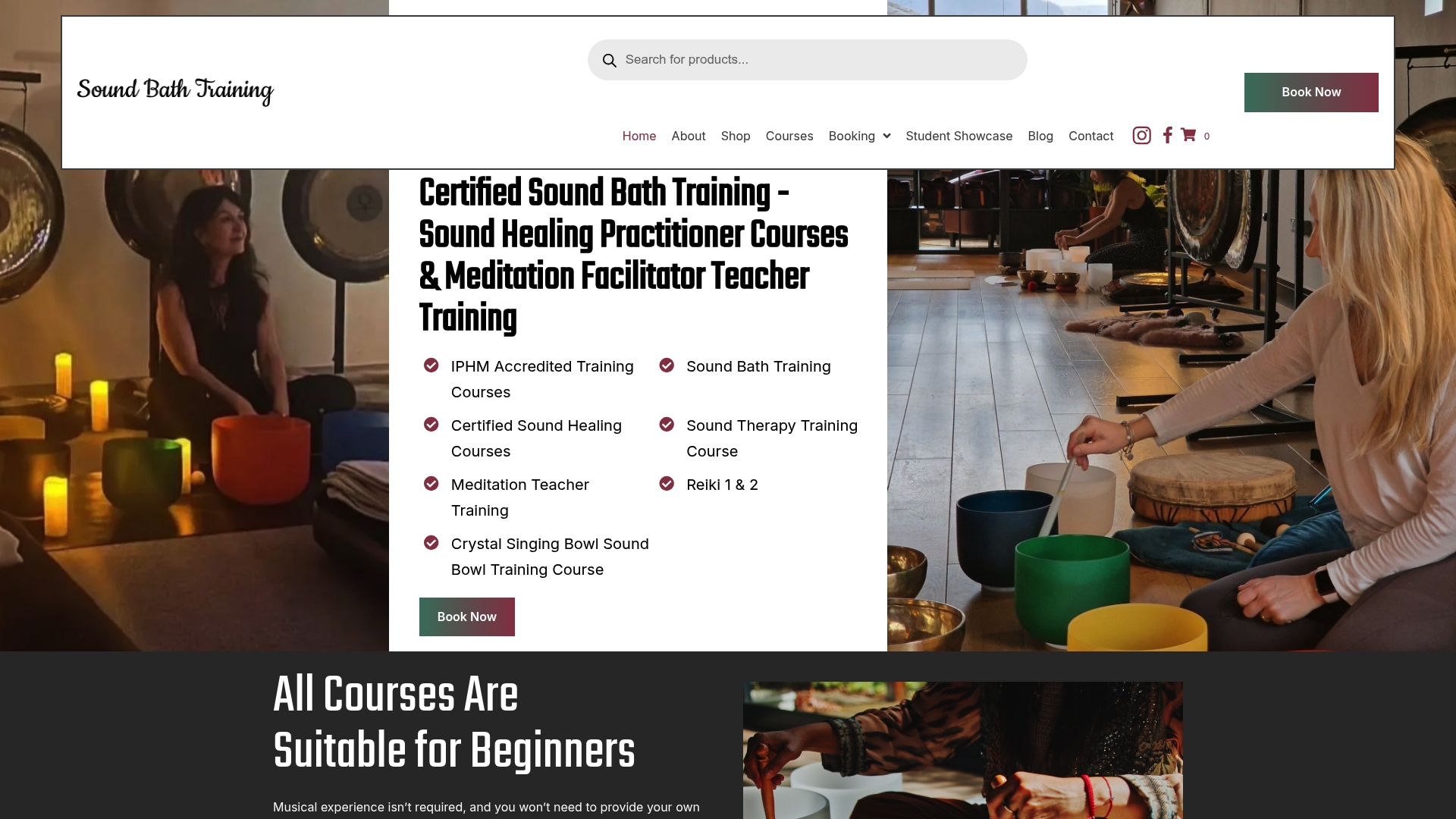
Soundbathtraining’s accredited practitioner training covers crystal singing bowls, gongs, and multiple instruments across a 3 or 4-day intensive format, with a maximum of three students per instructor. Every participant works with a full instrument setup from day one. No prior musical background is required. The IPHM accreditation is recognised by professional insurers and respected by corporate and retreat clients. Browse the full course catalogue to find the format and dates that fit your schedule.
FAQ
What qualifications do i need to become a sound healer?
No prior musical background or formal qualifications are required to begin sound healing training. An accredited certification from a recognised body such as IPHM is the standard professional entry point and is required by most insurers and corporate clients.
How long does it take to start earning from sound healing?
Most practitioners begin taking paid bookings within three to six months of completing their certification. Career progression typically starts part-time, with full-time income achievable within one to two years for practitioners who actively build their client base and diversify their offerings.
Is sound healing a recognised profession in the UK?
Sound healing is a recognised complementary therapy in the UK, with practitioners able to obtain professional insurance and work alongside NHS-referred clients in some settings. IPHM accreditation is the most widely respected credential for UK-based practitioners.
What instruments do professional sound healers use?
Professional sound healers work with crystal singing bowls, Tibetan singing bowls, gongs, tuning forks, koshi chimes, and frame drums, among others. Crystal bowls and gongs are the most commonly used instruments in group sound bath sessions and corporate wellness settings.
Can i run a sound healing business from home?
Yes. Many practitioners begin with a home studio setup, which requires an initial investment of £500–£1,500 for instruments and basic equipment. A dedicated, quiet space with appropriate acoustics is the primary practical requirement for home-based practice.