
Sub-Total: $0.00
The role of gongs in therapy: a 2026 guide
The role of gongs in therapy: a 2026 guide
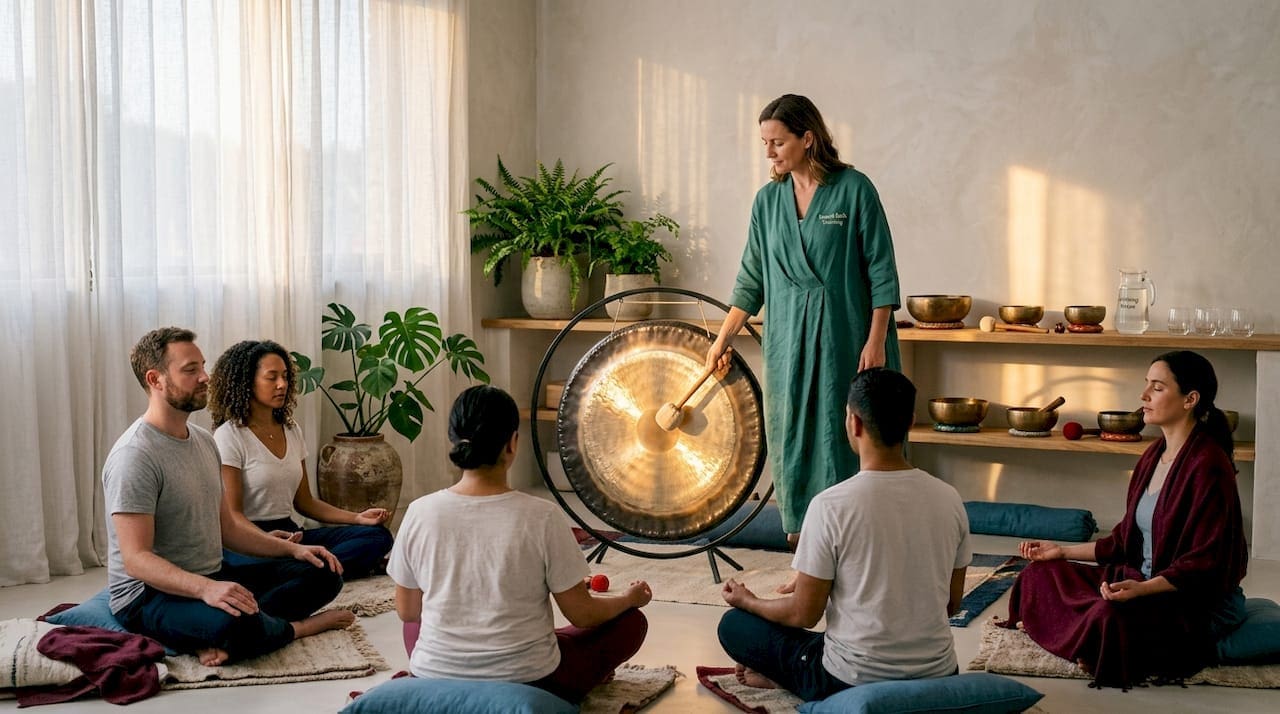
Gong therapy is defined as a sound-based vibrational healing practice that uses the complex frequencies of struck or bowed gongs to support emotional regulation, stress relief, and deep relaxation. Within the broader field of sound healing, gongs occupy a distinct position because their overtone-rich output can simultaneously engage the body, nervous system, and mind. Formats range from individual sessions to group gong baths, where participants lie fully clothed while waves of sound wash over them, to therapist-led half-day workshops that sequence breath and voice work before gong immersion. Practitioners such as Daniel Killeen have formalised this approach into structured programmes that treat the gong as one layer of a broader therapeutic process rather than a standalone cure.
What is the role of gongs in therapy?
The role of gongs in therapy is to deliver layered vibrational frequencies that the nervous system processes on both physiological and psychological levels. Unlike a single-tone instrument, a well-struck gong produces dozens of simultaneous overtones, which means the body receives a broad acoustic stimulus rather than a narrow one. This breadth is what distinguishes sound healing with gongs from simpler relaxation techniques such as white noise or single-frequency tones.
Physiologically, sound-based interventions can increase parasympathetic activity, measured through heart rate variability, while also reducing cortisol and modulating immune markers such as immunoglobulin A. This means a well-structured gong session does not merely feel calming. It produces measurable shifts in the body’s stress response systems. For anyone managing chronic stress or emotional dysregulation, that distinction matters.
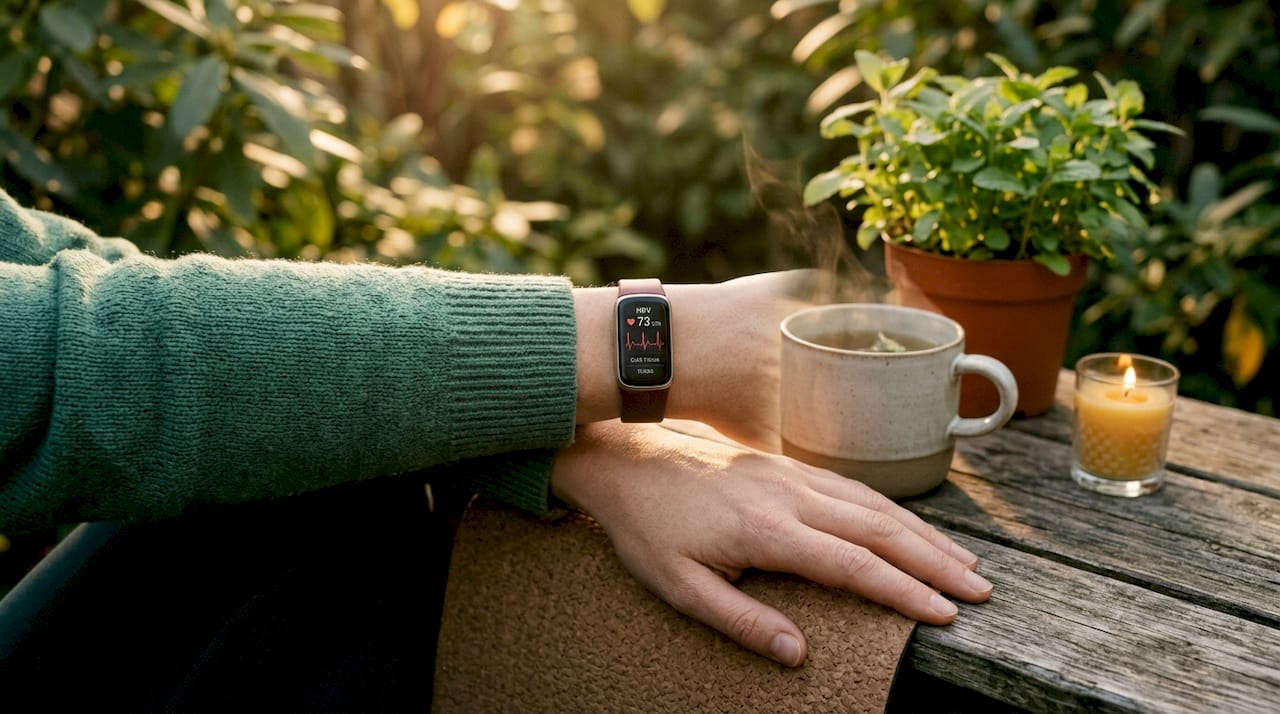
Psychologically, the perception and interpretation of sound shape wellbeing benefits beyond physical vibration alone, positioning gong therapy as both a physiological and an experiential practice. The listener’s relationship with the sound, including their sense of safety, their breath, and their intention, contributes directly to the outcome. This is why trauma-informed facilitation is not optional in professional gong therapy. It is foundational.
Pro Tip: If you are attending your first gong bath, arrive five minutes early to settle your nervous system before the session begins. Even two minutes of slow breathing beforehand measurably reduces baseline arousal.
Key physiological effects associated with gong therapy include:
- Activation of the parasympathetic nervous system, shifting the body from a stress response into rest and recovery
- Reduction in cortisol, the primary stress hormone, following sustained sound exposure
- Improved heart rate variability, an indicator of nervous system flexibility and resilience
- Modulation of immune markers, suggesting broader systemic benefits beyond mood alone
What does clinical research say about the benefits of gong therapy?
The evidence base for gong therapy is growing, though it remains uneven. The most specific clinical finding comes from a retrospective study on the Eight Part Vajra Gong practice, which found that patients with osteoarthritis who practised Vajra Gong 20 minutes two to three times per week showed significant improvements in pain, joint function, and quality of life over 24 months compared to a control group (p<0.05). This is notable because it demonstrates that gong-based mind-body practice can produce measurable physical outcomes, not just subjective relaxation.
Research on frequency and stress reduction adds another dimension. A randomised controlled trial with 91 psychiatric inpatients found that higher-frequency music therapy produced significantly greater stress reduction than lower-frequency sessions (p=0.023), even though other symptom domains showed no difference between groups. This suggests that the frequency profile of a sound intervention, not just its presence, influences outcomes. For gong therapy, which operates across a wide frequency spectrum, this finding supports the idea that instrument selection and playing technique matter clinically.
“Brain wave entrainment claims for gong therapy, specifically the idea that sessions reliably shift listeners into alpha or theta states, are widely cited but lack high-quality gong-specific clinical evidence. Mechanistic explanations are common in practitioner literature but are not yet well quantified in peer-reviewed trials.”
| Research area | Key finding | Implication for practice |
|---|---|---|
| Osteoarthritis and gong practice | Significant pain and function improvements over 24 months (p<0.05) | Gong-based movement practice has measurable physical benefits |
| Frequency and stress relief | Higher-frequency sessions reduced stress more than lower-frequency (p=0.023) | Frequency selection in gong therapy is clinically relevant |
| Nervous system regulation | Sound interventions raised HRV, lowered cortisol, increased IgA | Gong therapy supports measurable physiological stress recovery |
| Brain wave entrainment | Alpha/theta shift claims lack peer-reviewed gong-specific data | Treat entrainment claims as plausible but unconfirmed |
Gong therapy should be treated as a complementary practice rather than a replacement for established clinical care, particularly for anxiety and emotional regulation in formal settings. Sound baths used in pre-anaesthesia environments, for example, demonstrate how sound adds emotional safety in medical contexts without substituting clinical treatment. This is a realistic and honest framing that serves both practitioners and participants well.
How does gong therapy compare with other sound healing modalities?
Gong therapy sits within the broader category of sound healing, which also includes crystal singing bowls, Tibetan bowls, tuning forks, and general music therapy. Each modality has a different frequency profile, interaction style, and evidence base. Understanding these differences helps you choose the right approach for your needs.
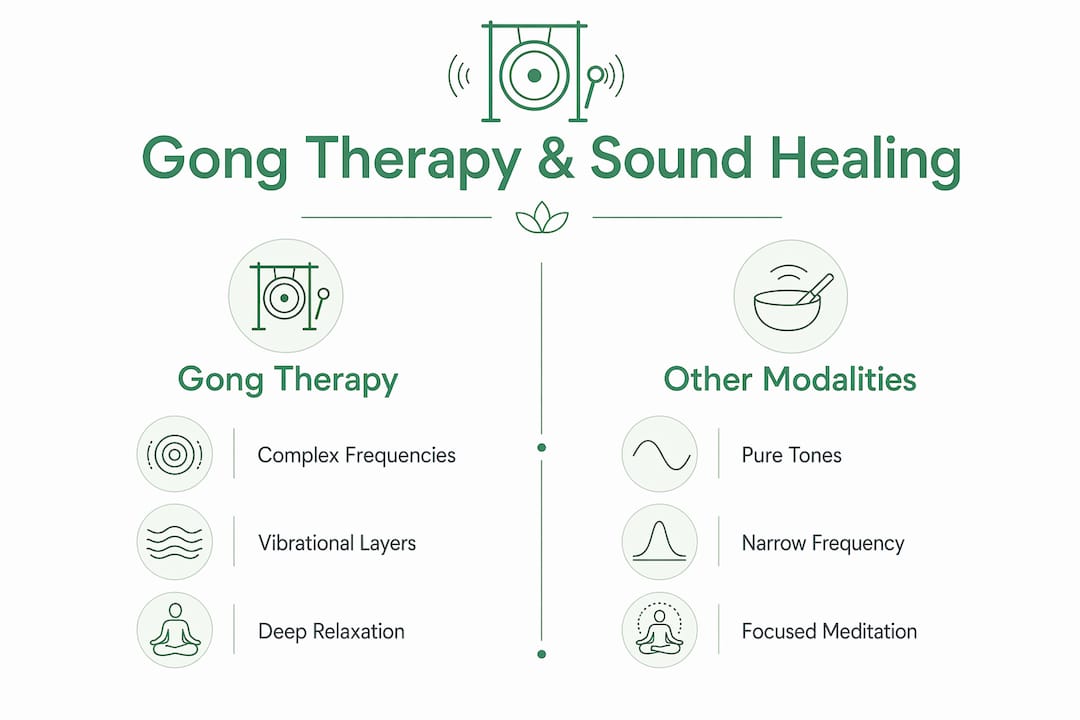
Crystal singing bowls produce sustained, relatively pure tones in a narrow frequency range. They are often used for focused meditation and are gentler in acoustic intensity. Gongs, by contrast, produce a far wider and more complex frequency spread, which makes them more stimulating but also potentially more overwhelming for sensitive individuals. Wind gongs, which have a flatter profile and a faster response, produce a brighter, more immediate sound than the deeper resonance of a Paiste or Meinl symphonic gong. The choice of gong type shapes the therapeutic experience significantly.
General music therapy, as studied in clinical RCTs, involves structured musical interaction facilitated by a trained therapist and has a considerably larger evidence base than gong-specific research. The physiological mechanisms, including parasympathetic activation and cortisol reduction, appear consistent across sound-based modalities, which gives practitioners reasonable grounds to apply broader music therapy findings to gong work while acknowledging the distinction.
Common gong therapy techniques used in professional and personal wellness settings include:
- Gong baths: Participants lie supine, fully clothed, while the facilitator plays one or more gongs for 20 to 60 minutes. This is the most widely practised format.
- Breath and voice preparation: Therapist-led workshops sequence internal grounding through breathwork and toning before gong immersion, reducing overstimulation risk and deepening the meditative state.
- Combination sessions: Gongs are paired with crystal bowls, chimes, or vocal toning to create a layered acoustic environment that addresses different frequency ranges simultaneously.
- Individual facilitated sessions: One-to-one gong therapy allows the facilitator to adjust intensity, proximity, and duration in real time based on the participant’s response.
For those exploring sound meditation practices at home, recorded gong sessions offer a low-barrier starting point, though they lack the adaptive quality of live facilitation. The physical proximity to a live gong also produces tactile vibration that recordings cannot replicate.
How can you safely integrate gong therapy into your wellness routine?
Starting with short sessions and building gradually is the single most important piece of practical advice for anyone new to gong-based sound healing. Practitioners recommend beginning with 5 to 10 minutes and increasing duration as your nervous system acclimatises. Jumping straight into a 60-minute gong bath without prior exposure can feel overwhelming rather than restorative.
Follow these steps to integrate gong therapy safely and effectively:
- Start with a facilitated group session. Attending a professionally led gong bath before attempting home practice gives you a reference point for what a well-structured session feels like and how your body responds.
- Prepare your environment. A quiet, dimly lit room with a comfortable mat or blanket supports the parasympathetic shift the session is designed to create. Guidance on setting up your space can make a significant difference to the quality of your experience.
- Use breath as an anchor. Spend three to five minutes on slow, diaphragmatic breathing before any gong exposure. This lowers baseline cortisol and makes the transition into deep relaxation smoother.
- Respect contraindications. Individuals with epilepsy, certain cardiac conditions, or a history of sound-related trauma should consult a healthcare provider before attending sessions. Facilitators trained in sound healing safety will screen participants and adjust their approach accordingly.
- Integrate gradually. One session per week is a reasonable starting frequency. Track how you feel in the 24 hours following each session, as the effects of gong therapy often continue to unfold after the sound stops.
Pro Tip: If you feel emotionally activated or tearful during a gong session, this is a normal somatic response. Slow your breath, keep your eyes closed, and allow the sensation to pass rather than resisting it. Emotional release is part of the therapeutic process.
Session length, gong strike intensity, participant posture, and the inclusion of breathwork all explain much of the variability in reported benefits. This means two people attending the same gong bath can have markedly different experiences, and neither response is wrong.
Key takeaways
Gong therapy produces measurable physiological and psychological benefits through vibrational frequency exposure, but its effectiveness depends on session structure, facilitator skill, and the participant’s preparation.
| Point | Details |
|---|---|
| Physiological effects are real | Sound interventions raise HRV, lower cortisol, and modulate immune markers in research settings. |
| Frequency selection matters | Higher-frequency sound therapy produced greater stress reduction in clinical trials; instrument choice is not arbitrary. |
| Preparation amplifies outcomes | Breath and voice work before gong immersion reduces overstimulation and deepens the therapeutic response. |
| Evidence is promising but partial | Gong-specific clinical trials are limited; broader music therapy and mind-body research provides the strongest support. |
| Safety requires informed facilitation | Contraindications exist, and trauma-informed delivery is a professional standard, not an optional extra. |
Why I think we are still underestimating what gongs can do
I have worked with a range of sound healing instruments over the years, and the gong consistently produces the most unpredictable and, frankly, the most profound responses in participants. Not because it is the loudest or the most complex, but because it demands something from the listener. You cannot stay in your head during a well-played gong bath. The sound is too immediate, too physical, too present.
What I find most underappreciated in the current conversation around gong therapy is the importance of what happens before the gong is struck. The preparation phase, the breath, the grounding, the sense of psychological safety, does more to determine the outcome than the gong itself. I have seen sessions with exceptional instruments fall flat because the participant arrived anxious and ungrounded. I have also seen modest instruments produce extraordinary results when the facilitator created genuine safety and sequenced the experience thoughtfully.
The research is catching up, slowly. The Vajra Gong osteoarthritis study and the frequency-specific stress findings from psychiatric settings are genuinely exciting. But I think the field will make its strongest case not by chasing brain wave entrainment claims, but by demonstrating what trauma-informed, well-structured gong facilitation does for emotional regulation in real populations. That is where the honest and lasting evidence will come from.
— Sarah
Ready to take your practice further?
If this article has sparked a genuine interest in working with gongs and sound healing professionally or personally, Soundbathtraining offers accredited, hands-on training that covers the full range of sound healing instruments, including gongs, with no prior musical background required. The 4-day practitioner course includes practical experience, 1:1 support, and a high trainee-to-instructor ratio that ensures you leave with real skills rather than just theory. For those with less time, the 3-day accredited course covers the core instruments and techniques in a focused format. Visit Soundbathtraining to explore all available options and find the programme that fits your goals.
FAQ
What is gong therapy used for?
Gong therapy is used for stress relief, emotional regulation, deep relaxation, and as a complementary support for conditions including anxiety and chronic pain. It is practised in wellness, clinical, and therapeutic settings worldwide.
How long should a gong bath session last?
Beginners are advised to start with sessions of 5 to 10 minutes and increase duration gradually as the nervous system adjusts. Group gong baths typically run between 20 and 60 minutes.
Are there any risks or contraindications with gong therapy?
Gong therapy carries specific contraindications, including epilepsy, certain cardiac conditions, tinnitus, and sound-related trauma. Consulting a qualified facilitator and, where relevant, a healthcare provider before attending is strongly recommended.
How does gong therapy differ from crystal bowl therapy?
Gongs produce a broader, more complex frequency range than crystal singing bowls, which generate narrower, purer tones. Gongs tend to be more acoustically intense and are often considered more stimulating, while bowls are typically used for gentler, more focused meditative work.
Does gong therapy have scientific support?
Research on sound-based interventions shows measurable effects on cortisol, heart rate variability, and immune markers. Gong-specific clinical trials remain limited, but a 2026 retrospective study on the Eight Part Vajra Gong found significant improvements in pain and quality of life in osteoarthritis patients over 24 months.